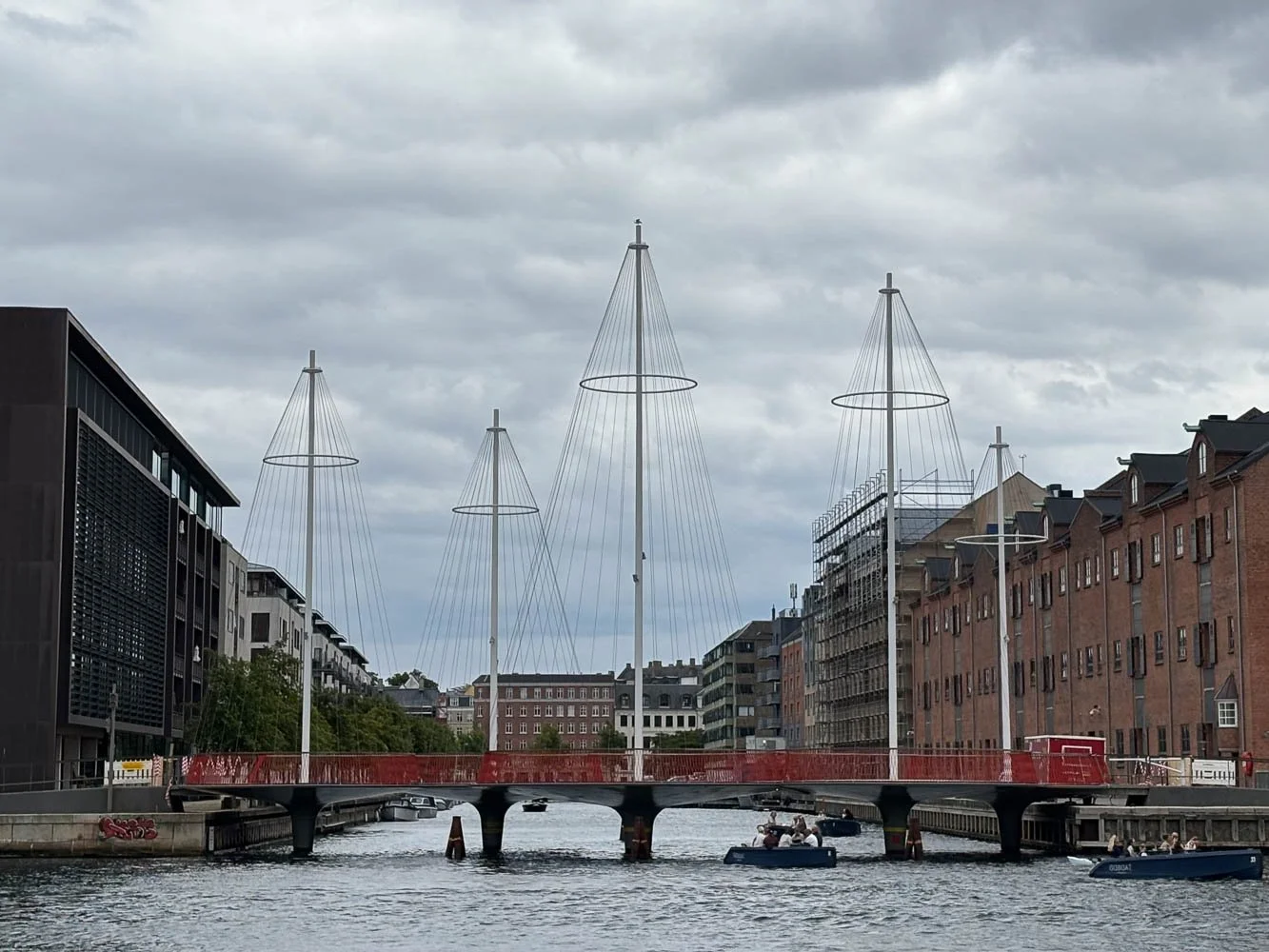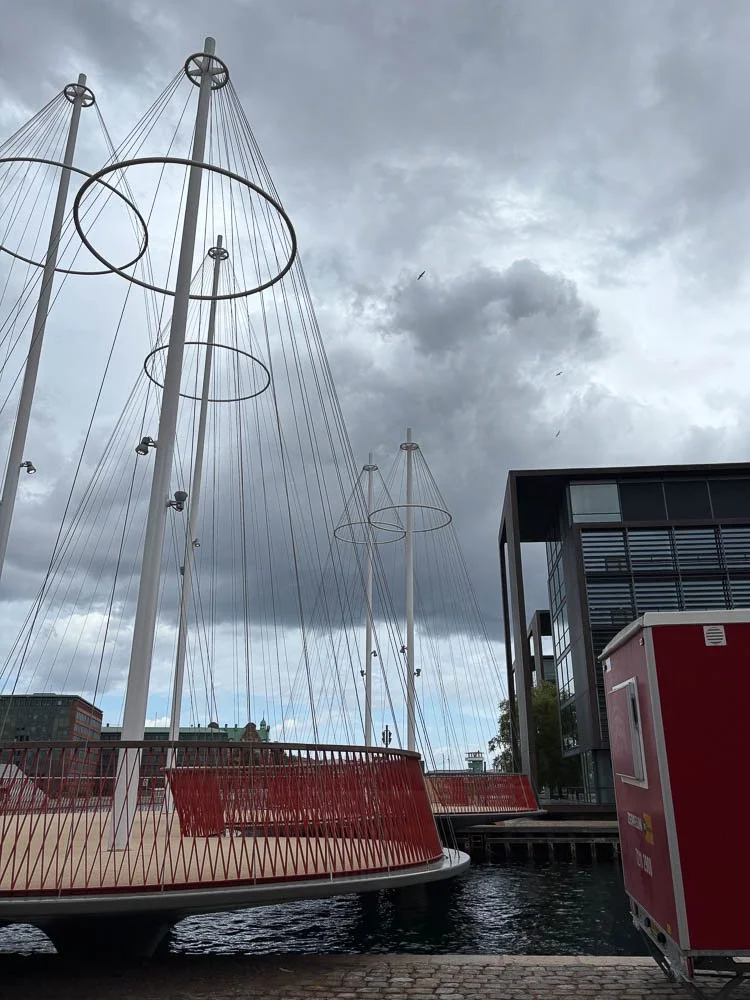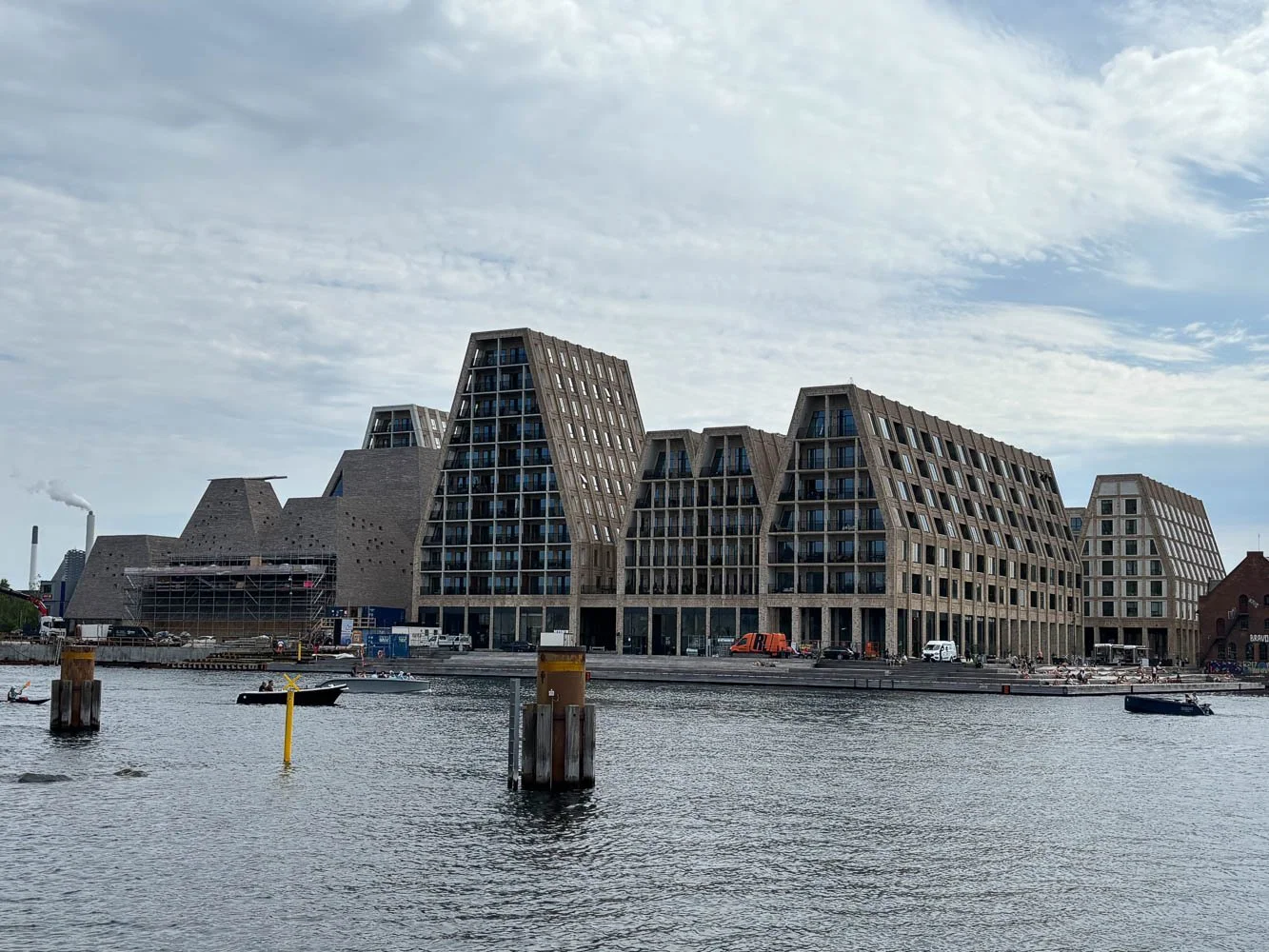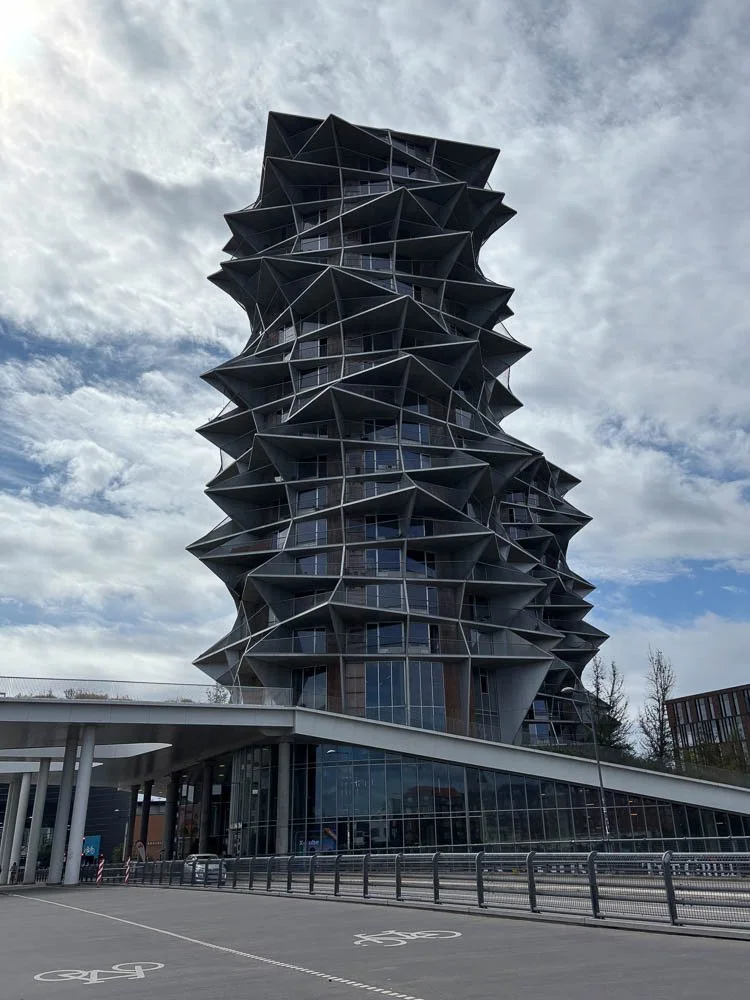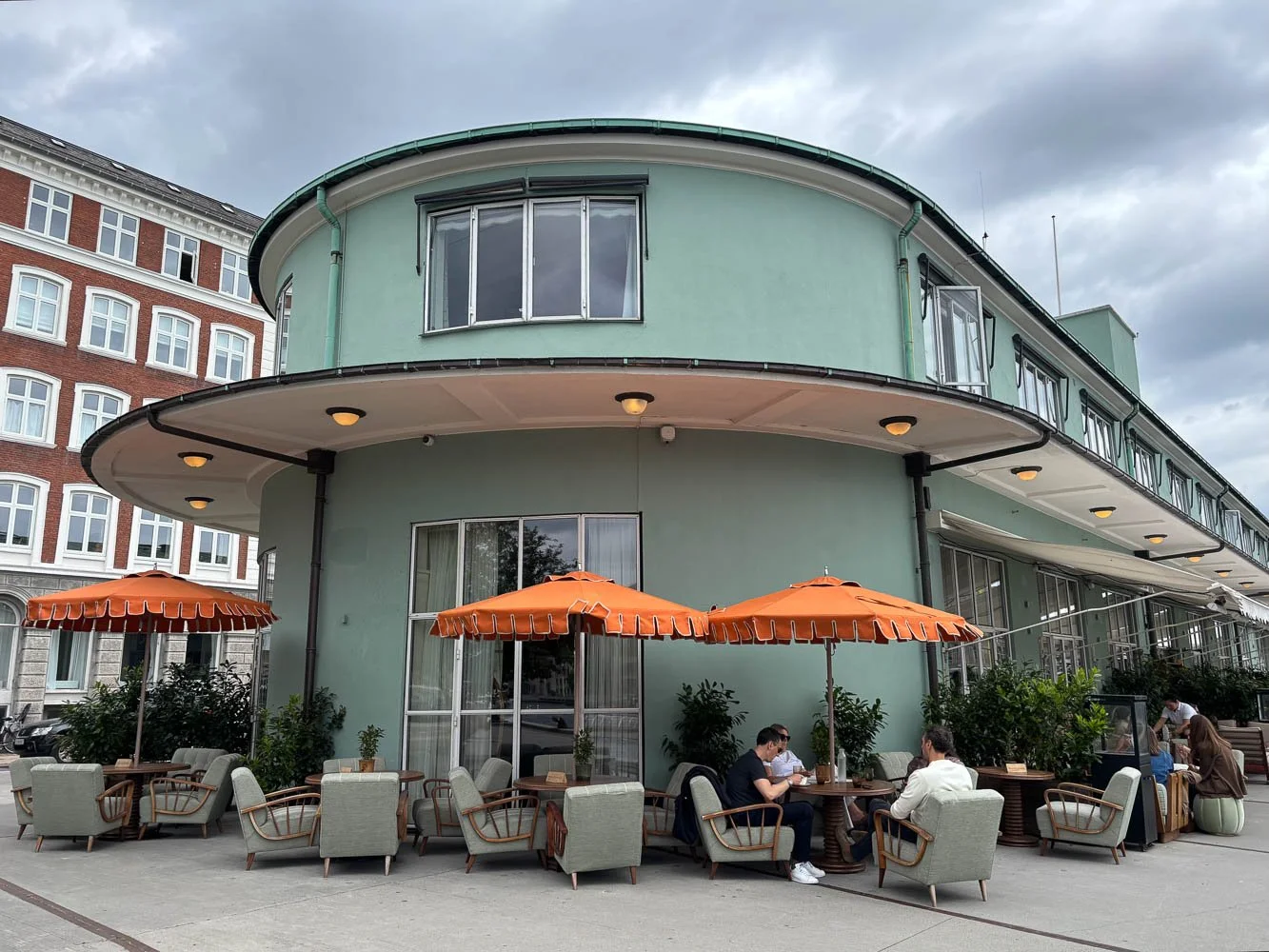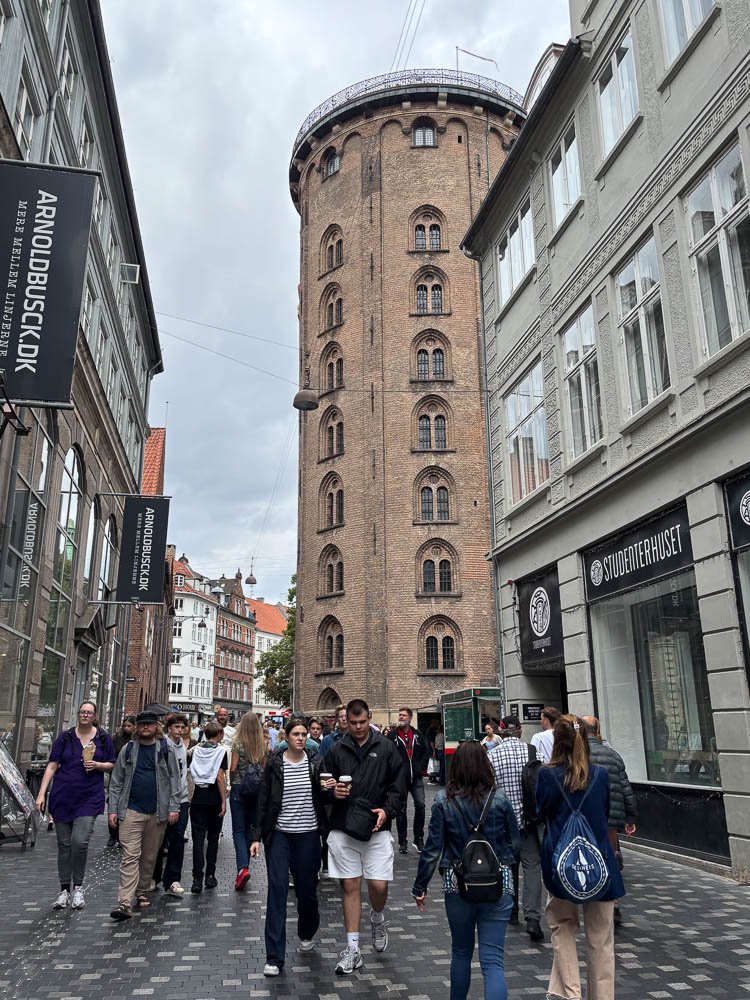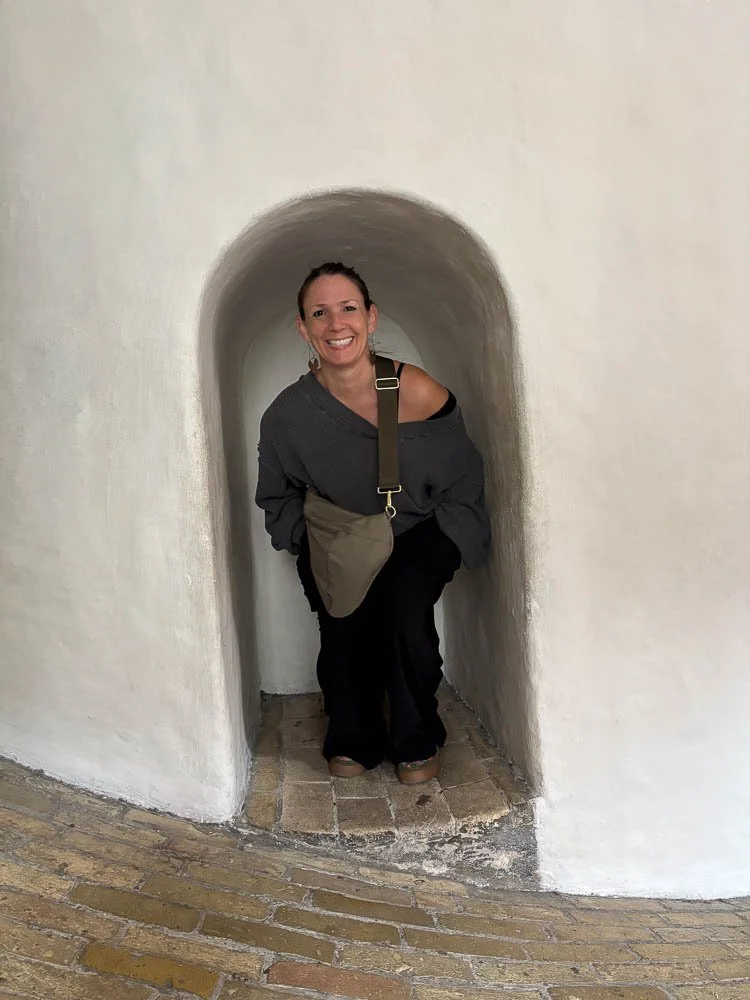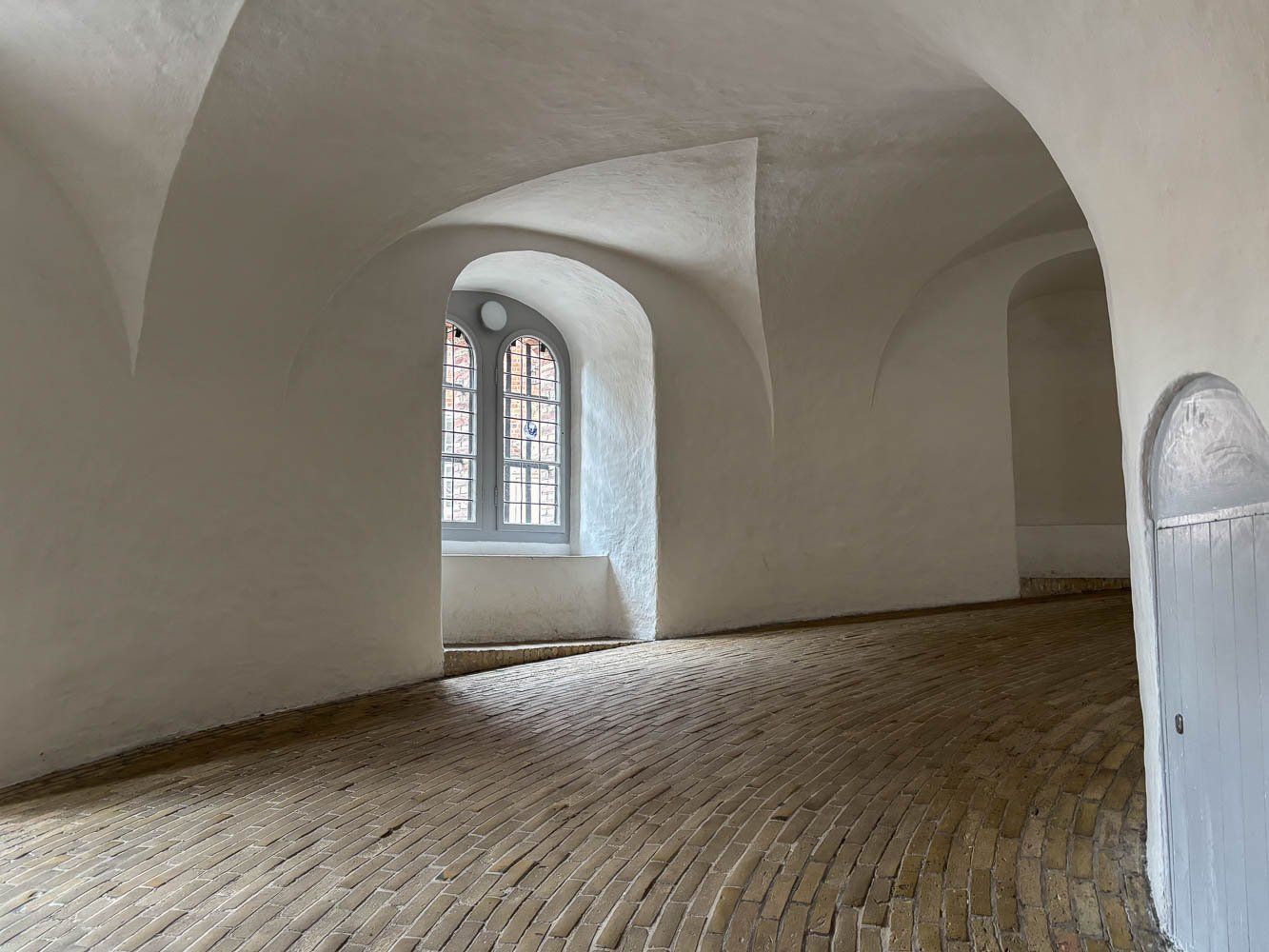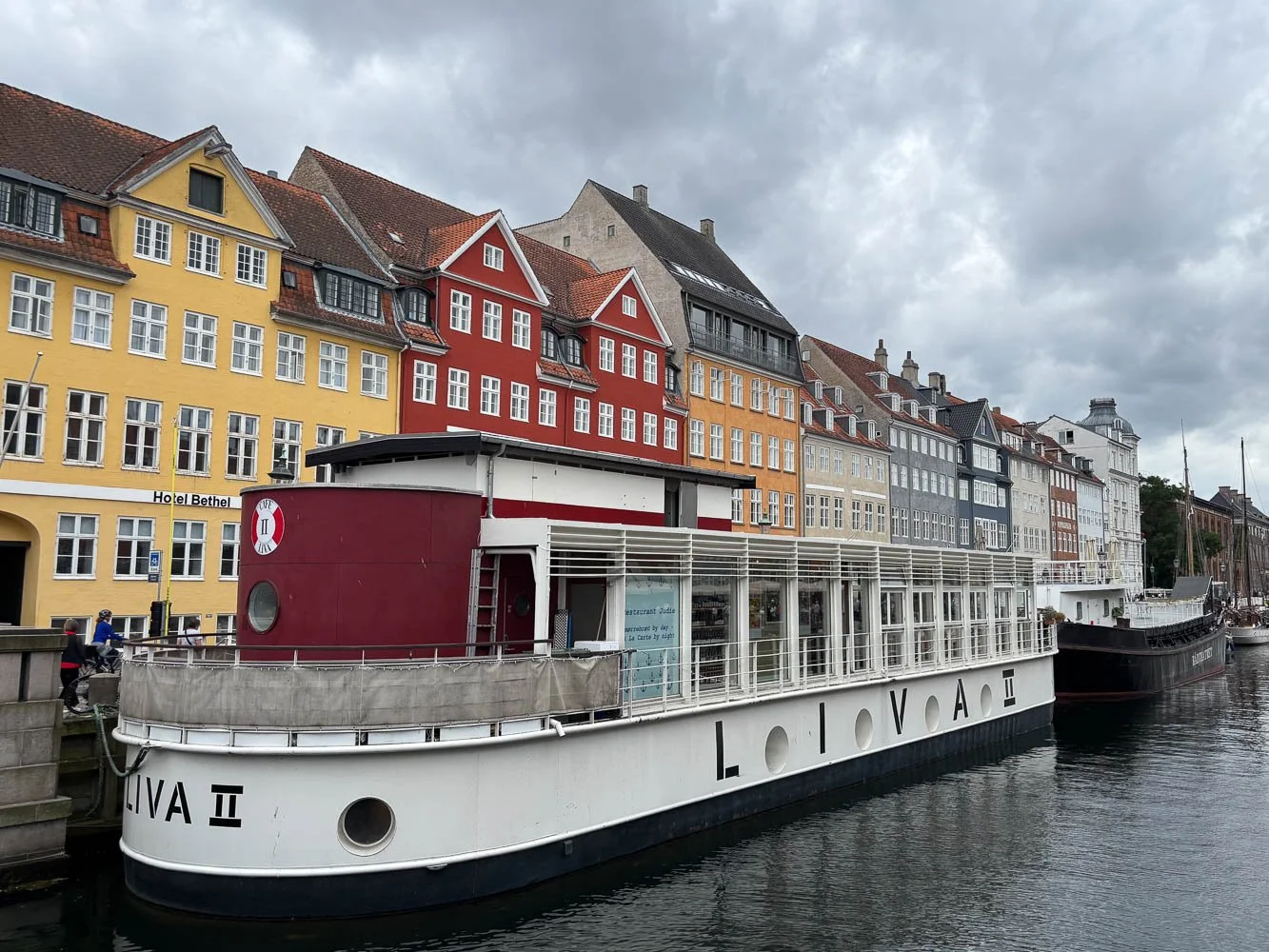
Copenhagen has been on my travel list since I read a book set there called Number the Stars in fourth grade. But in recent years my interest evolved from childhood nostalgia to a serious curiosity about Denmark’s progressive approach to design solutions, public spaces, and living generally.
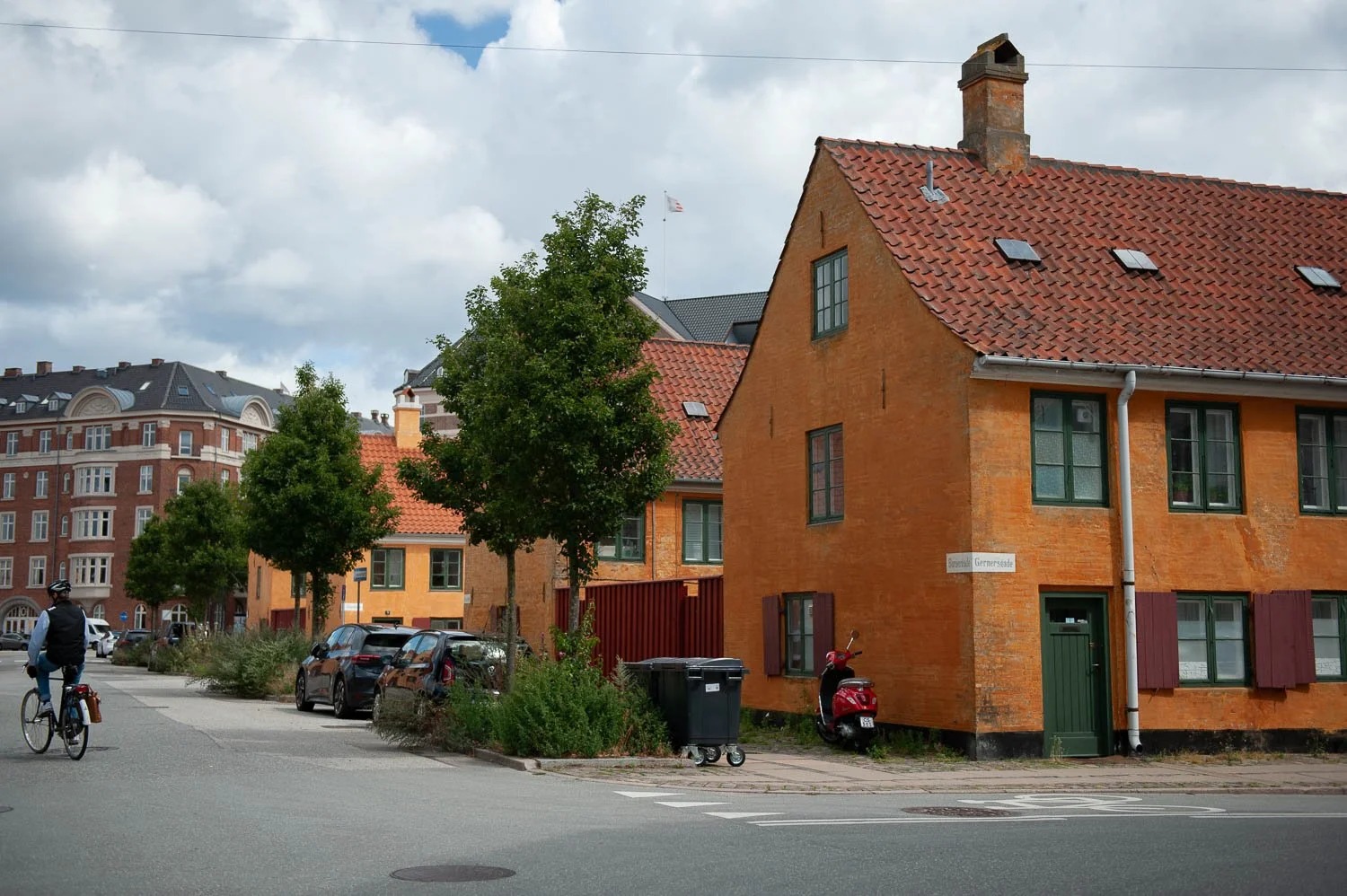
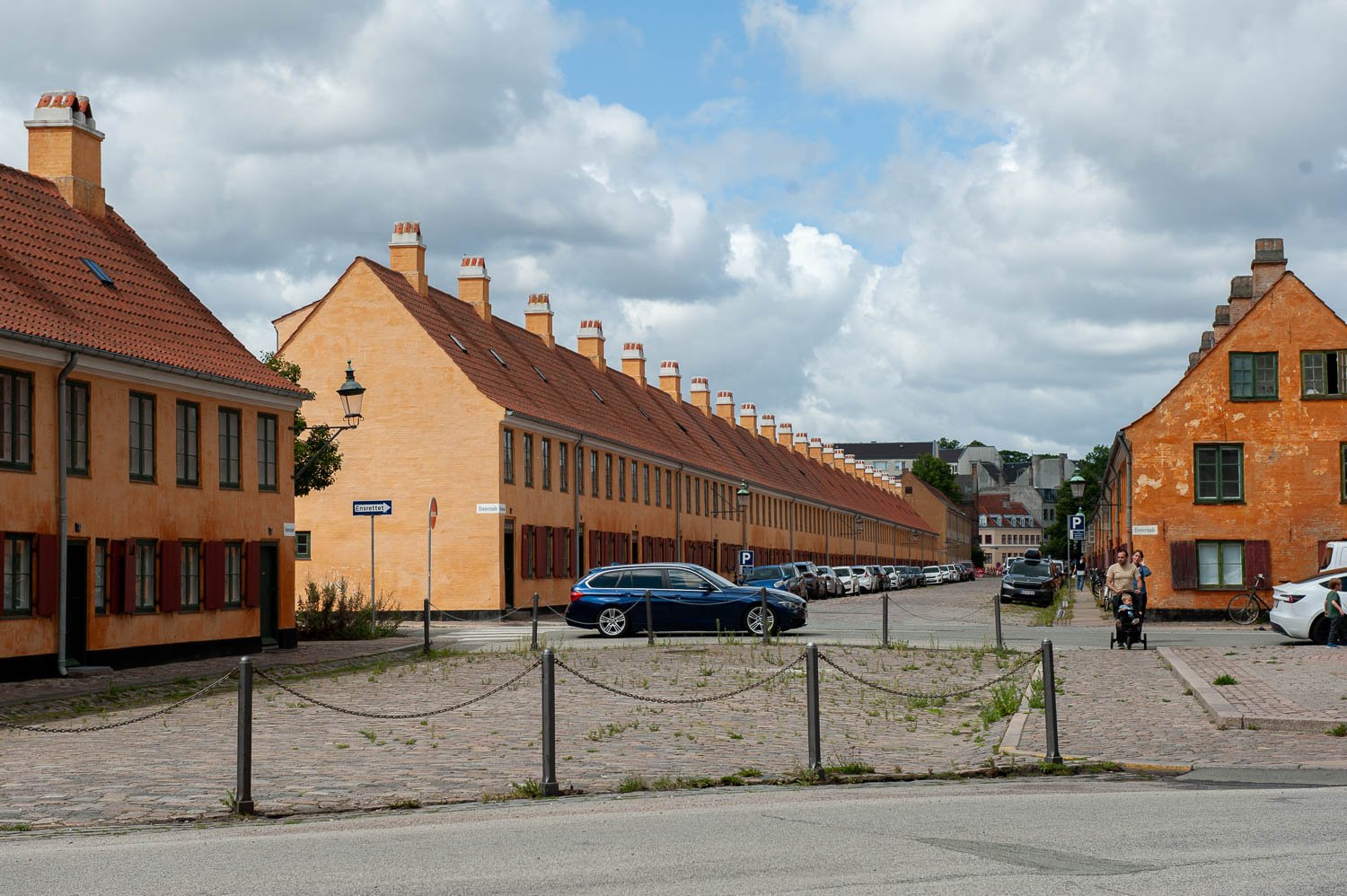
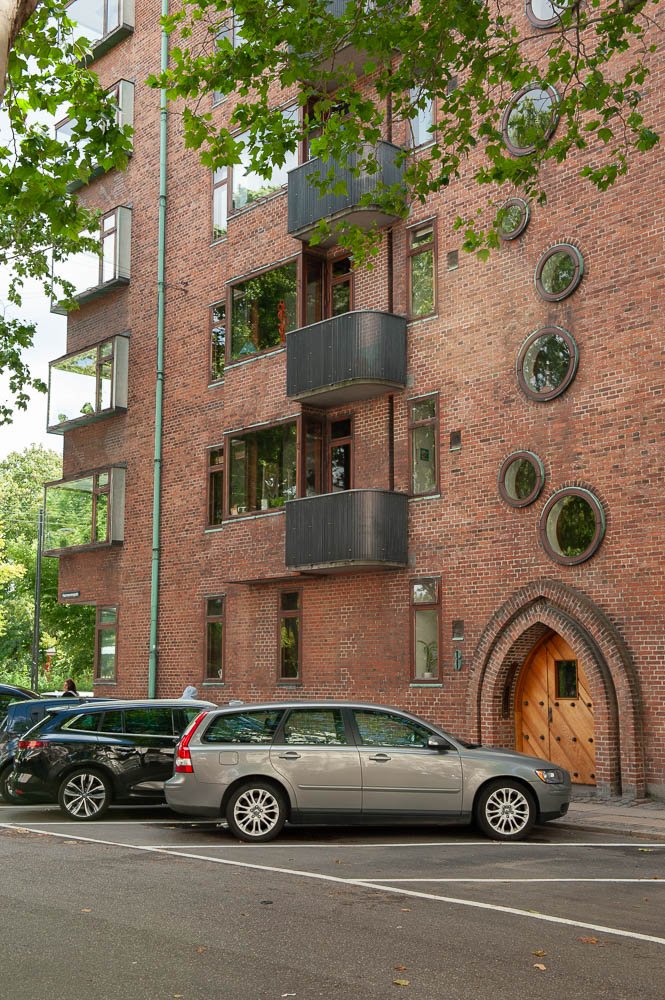
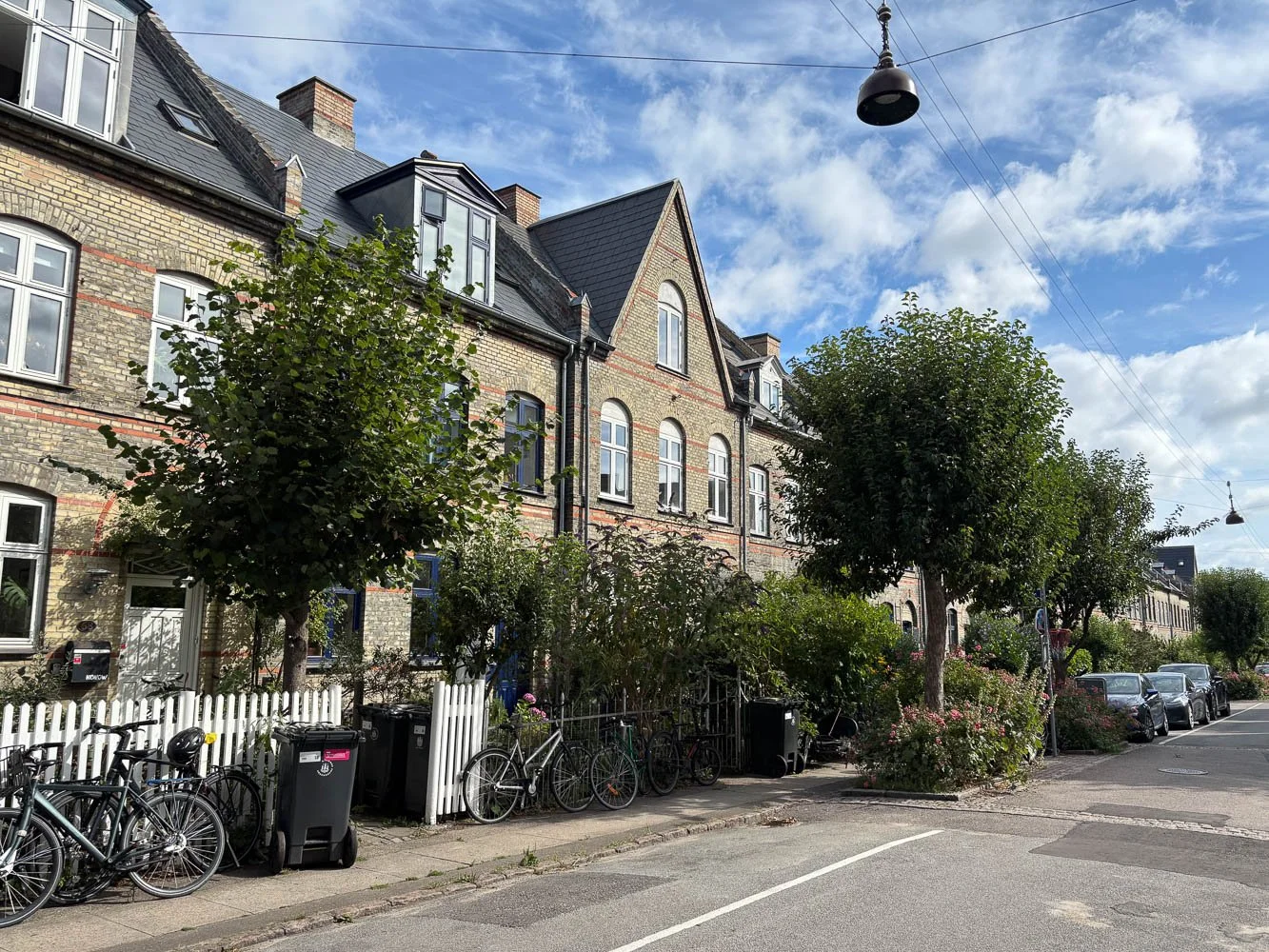
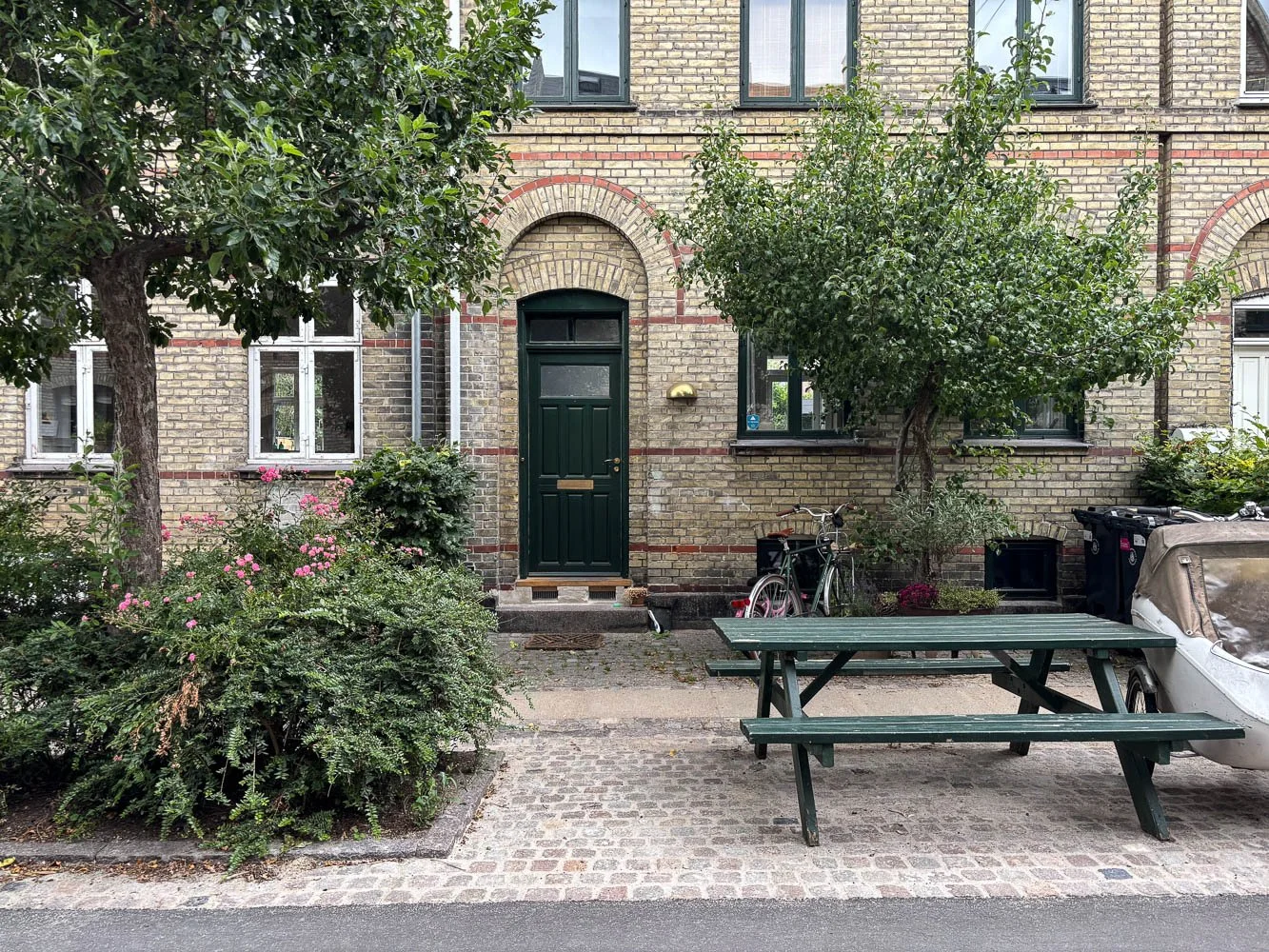
The Vrbo rental I found in a Vesterbro neighborhood of historic townhouses called Humleby—built for blue-collar shipyard workers in the late 1800s—was so much cheaper than the other options, I worried until a just few days before we left that it might be a scam. It was not.
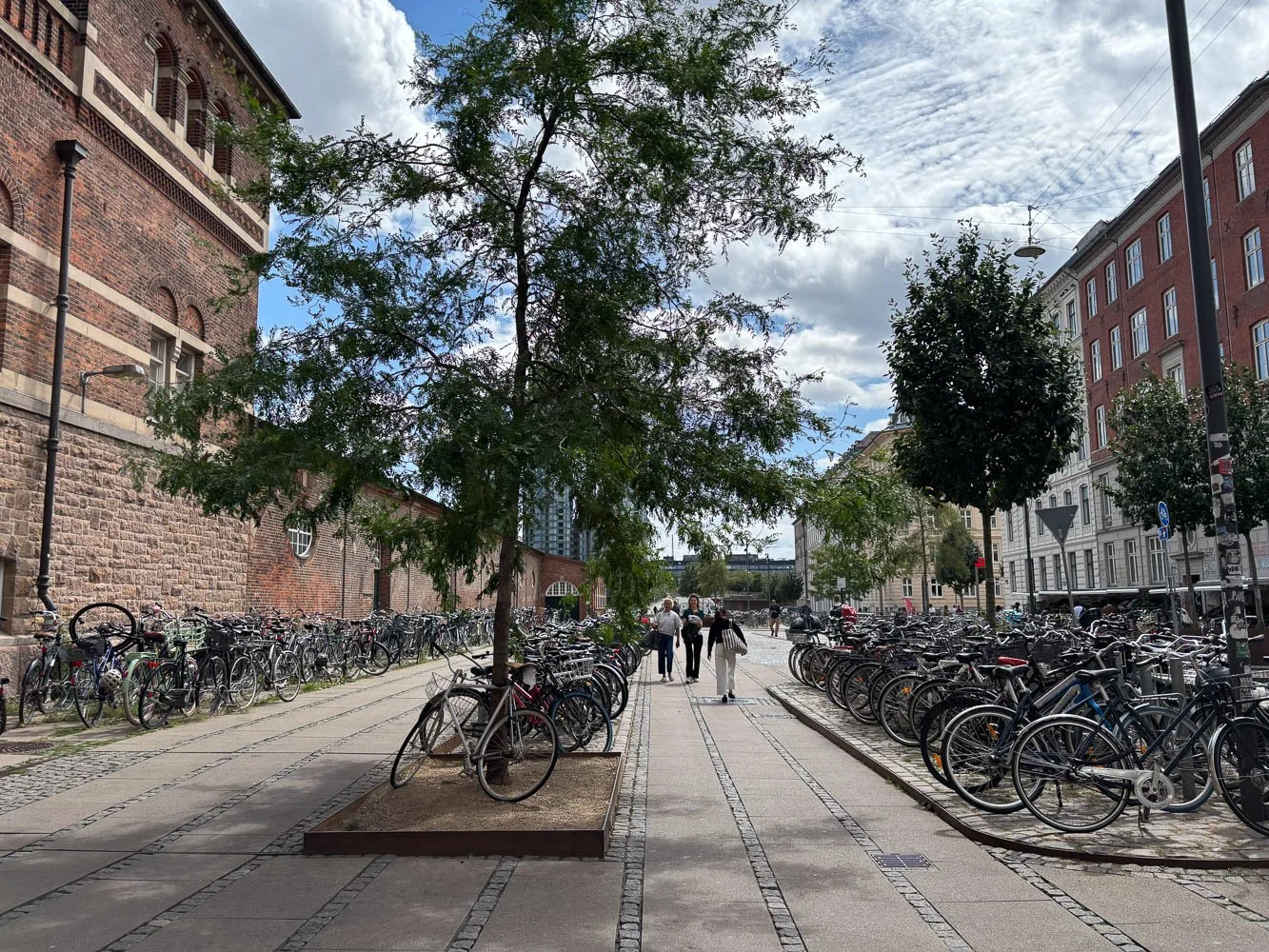
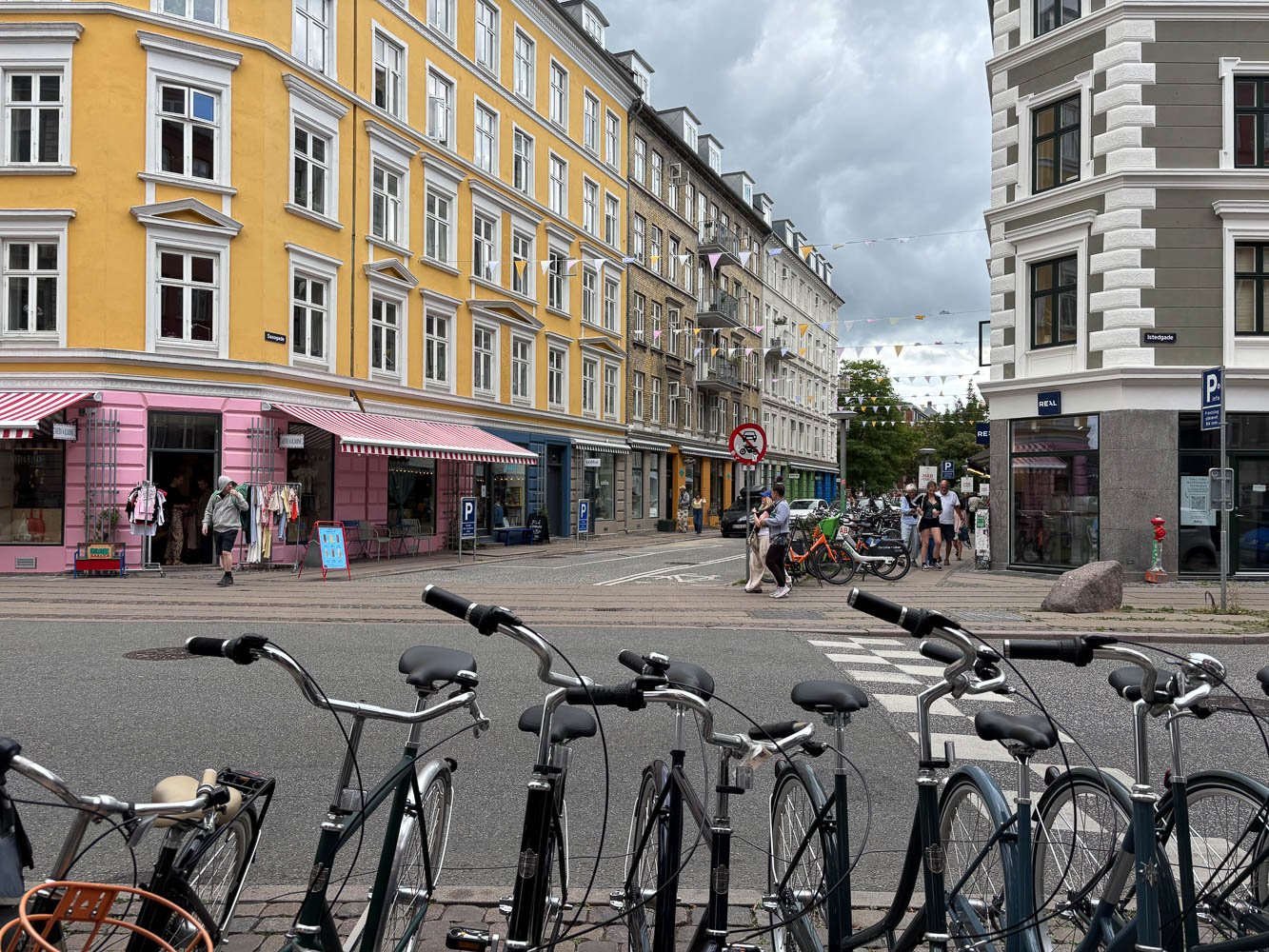
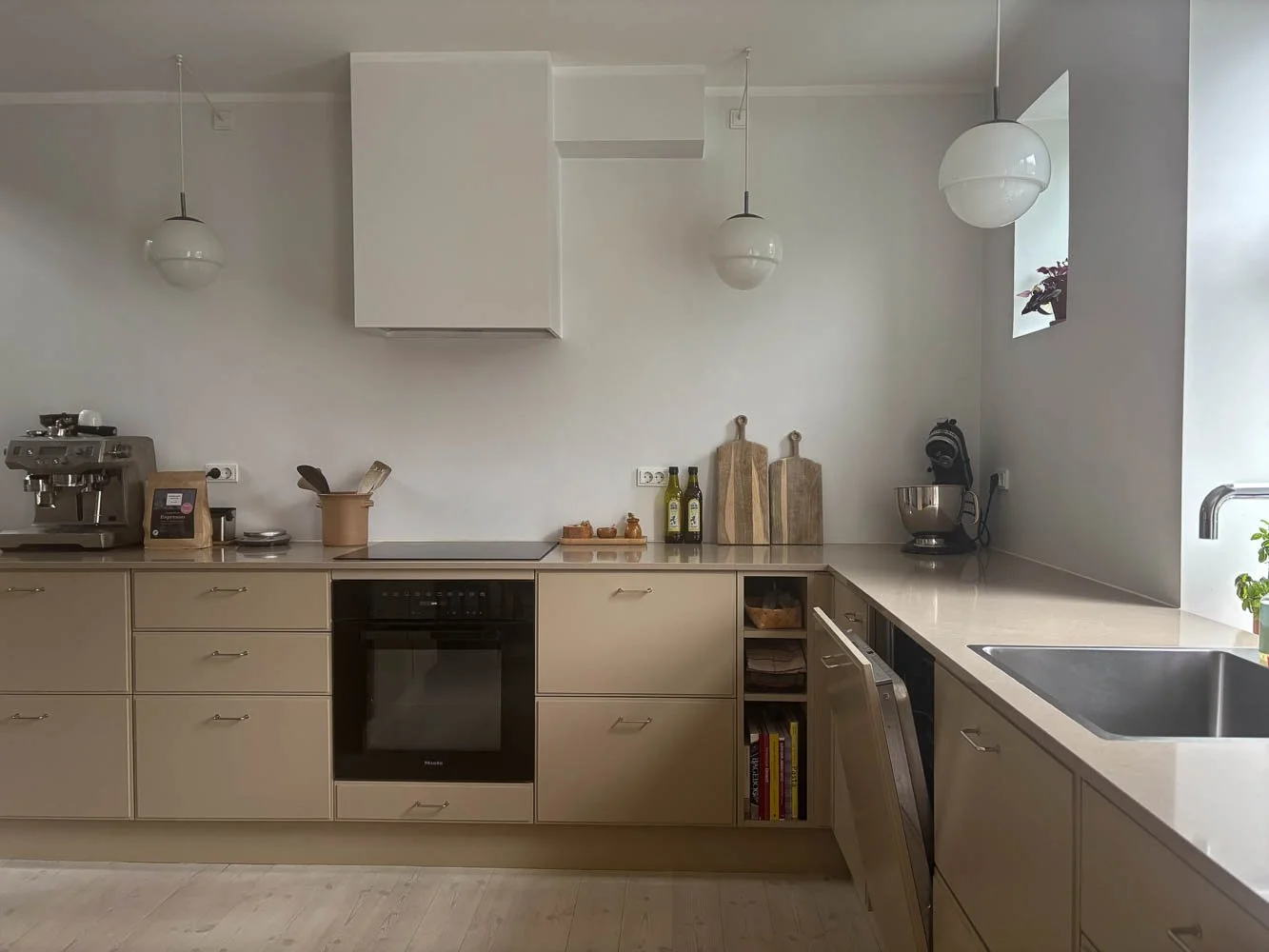
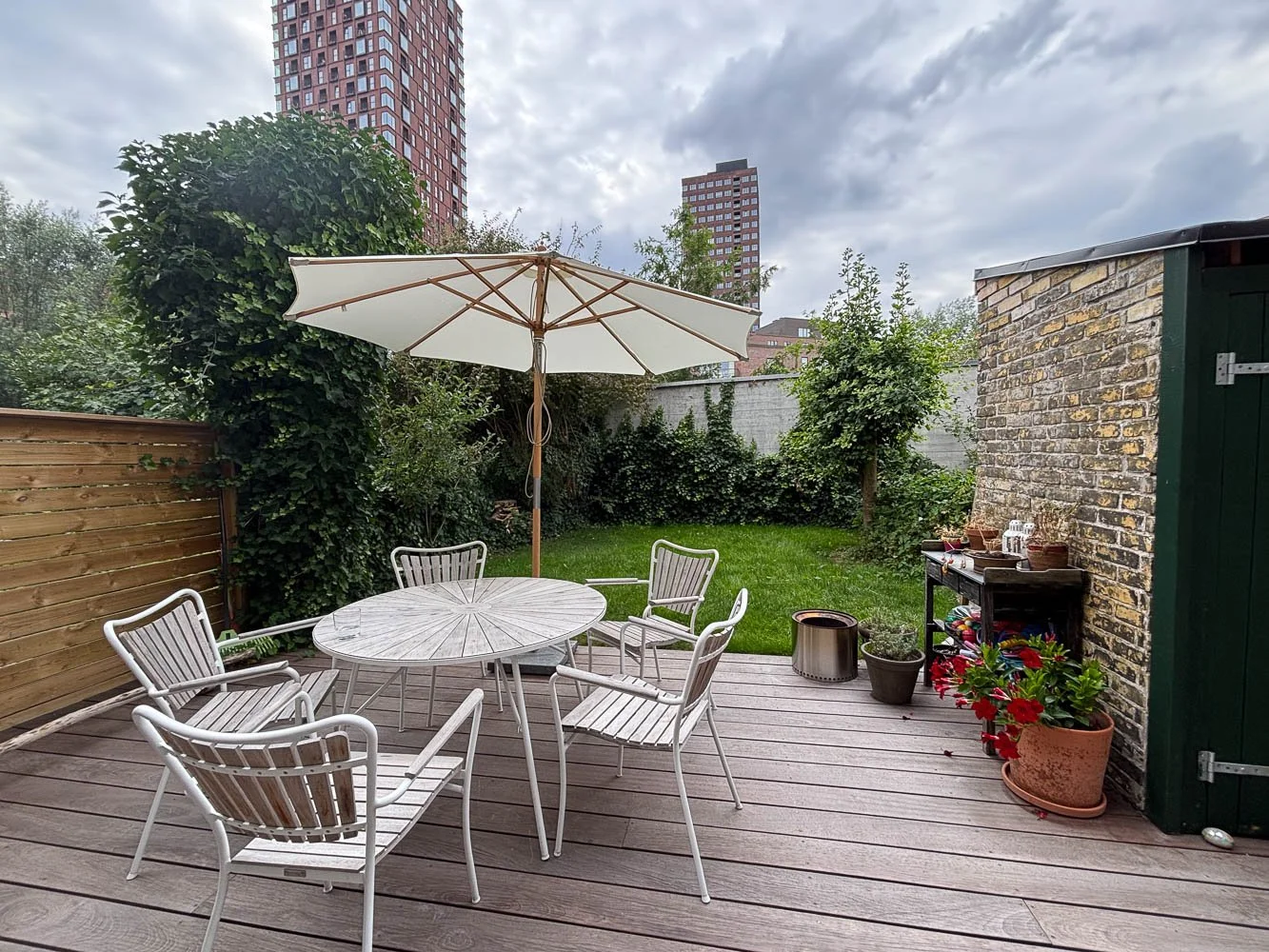
The street was lined with parked bicycles, and each home had its own tiny courtyard out back. The interior was expectedly Scandinavian.
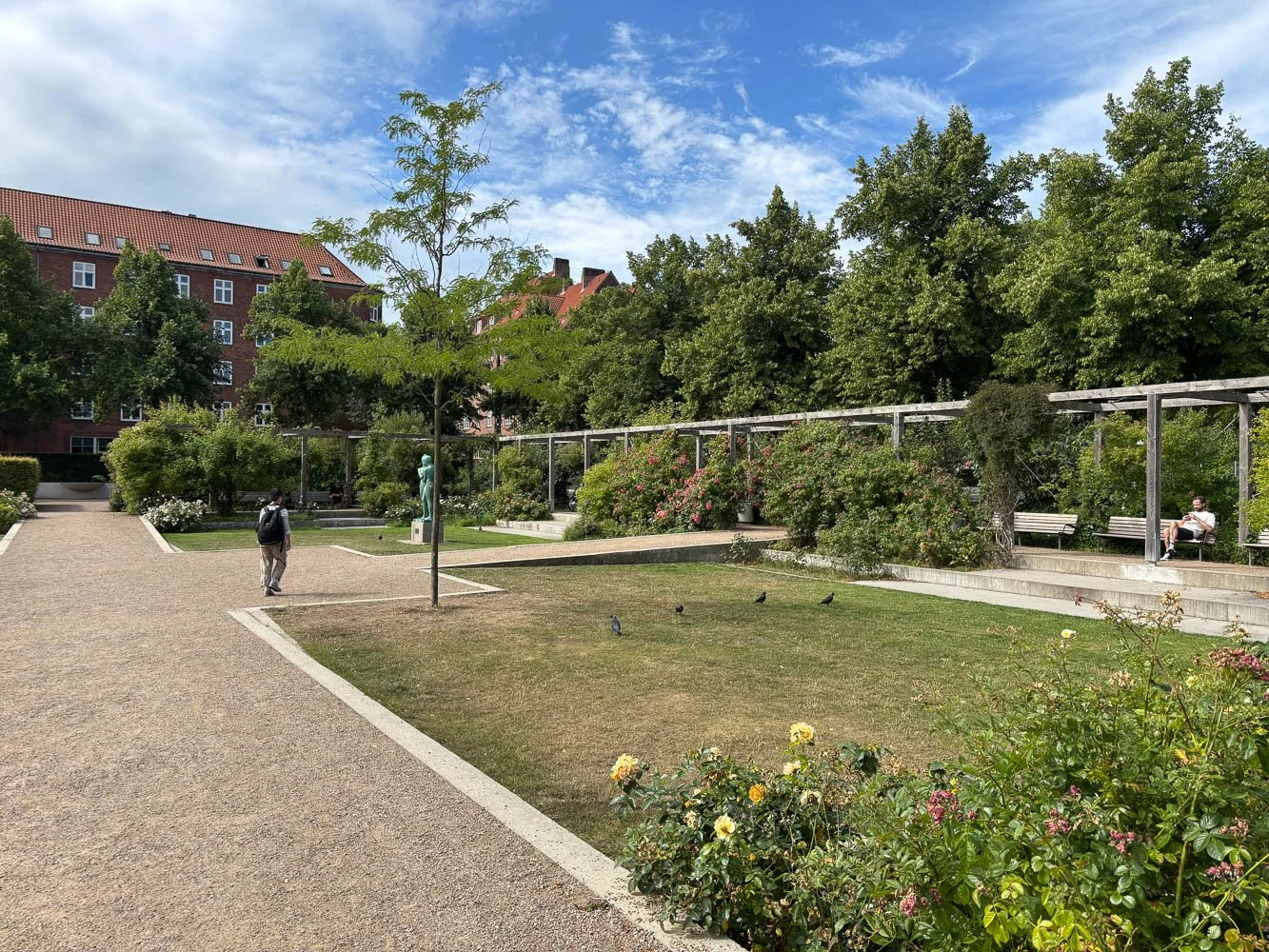
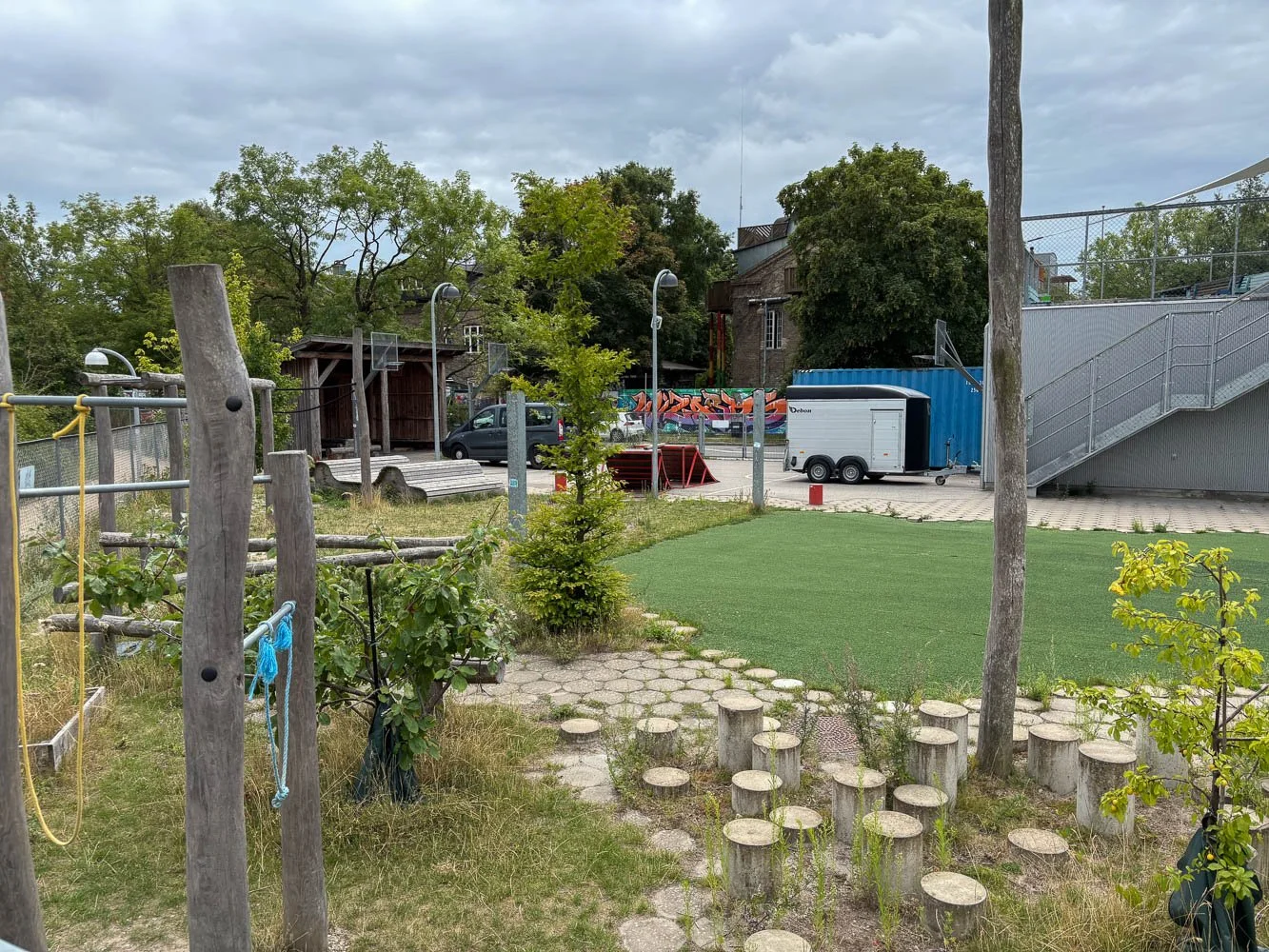
Between Humleby and the nearest metro station lies Enghave Climate Park. We discovered it one night when we peeked through a natural hedge and saw a rowdy game of roller hockey taking place in a sunken court. The Park is huge. Another day we found a packed pickleball court, a group of older men playing bocci, and a pack of teens practicing what we could only assume was their TikTok dance routine. Originally designed by Arne Jacobson in 1927—Enghave Park has since been reimagined as part of the City’s Cloudburst Management Plan.
In 2011 a cloudburst overwhelmed Copenhagen’s streets and basements with five inches of water in just two hours. The flood forced people to evacuate and caused over a billion dollars in damages. A year later, the City unveiled a plan for handling future storm events: in addition to enlarging underground water storage spaces, it undertook 300 separate projects to redesign wetlands and green spaces to hold or slow water runoff.
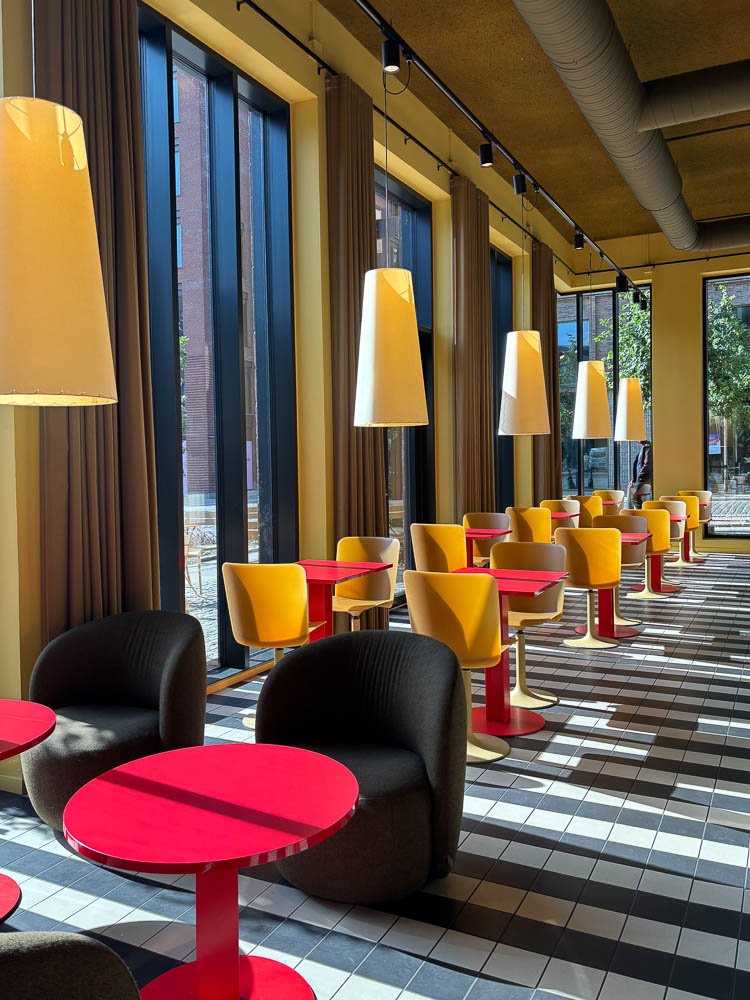
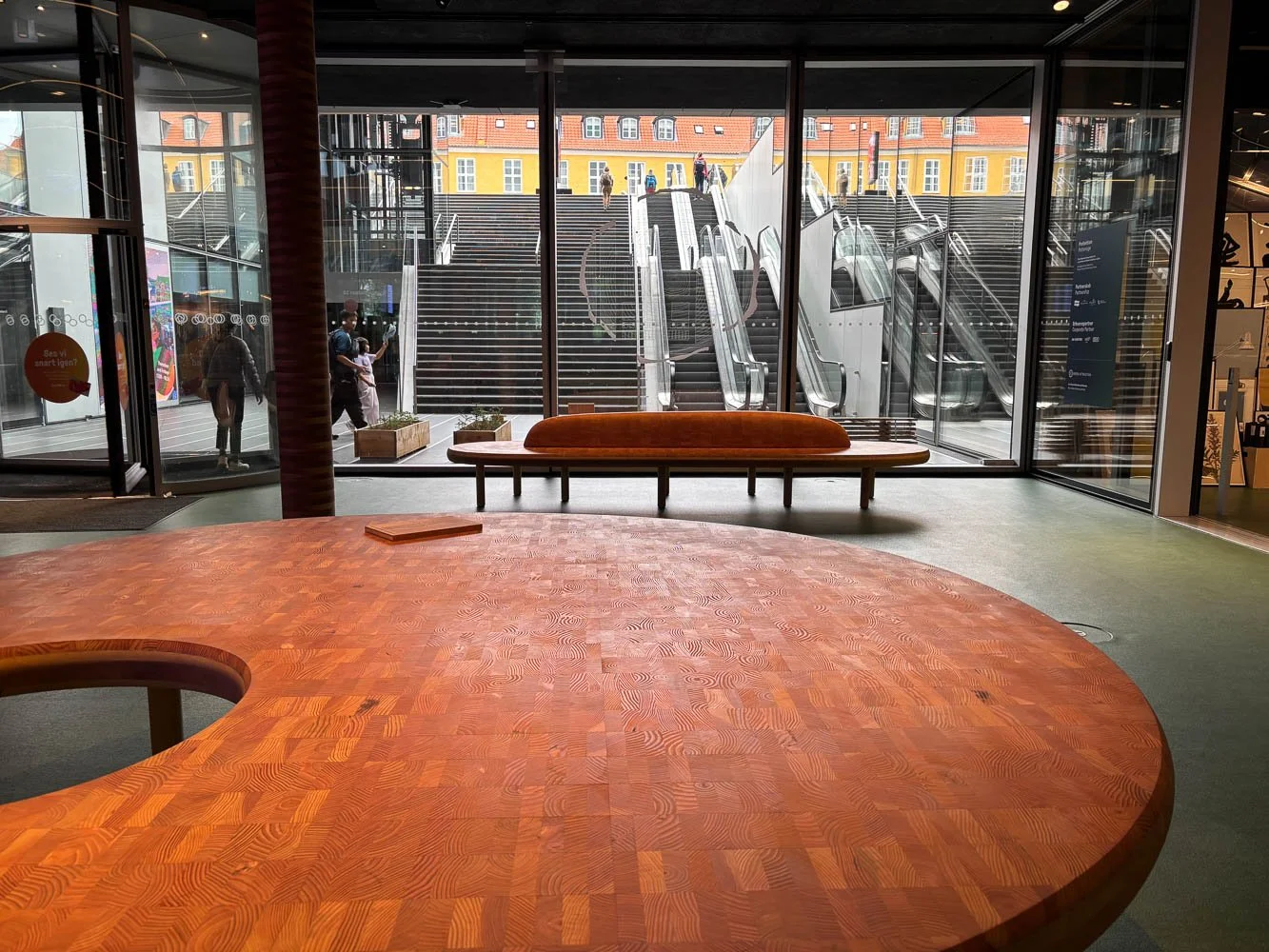
At the Danish Architecture Center I read that Danish design combines function, beauty, and sustainability. Copenhagen’s vast array of public spaces truly embrace this thinking.
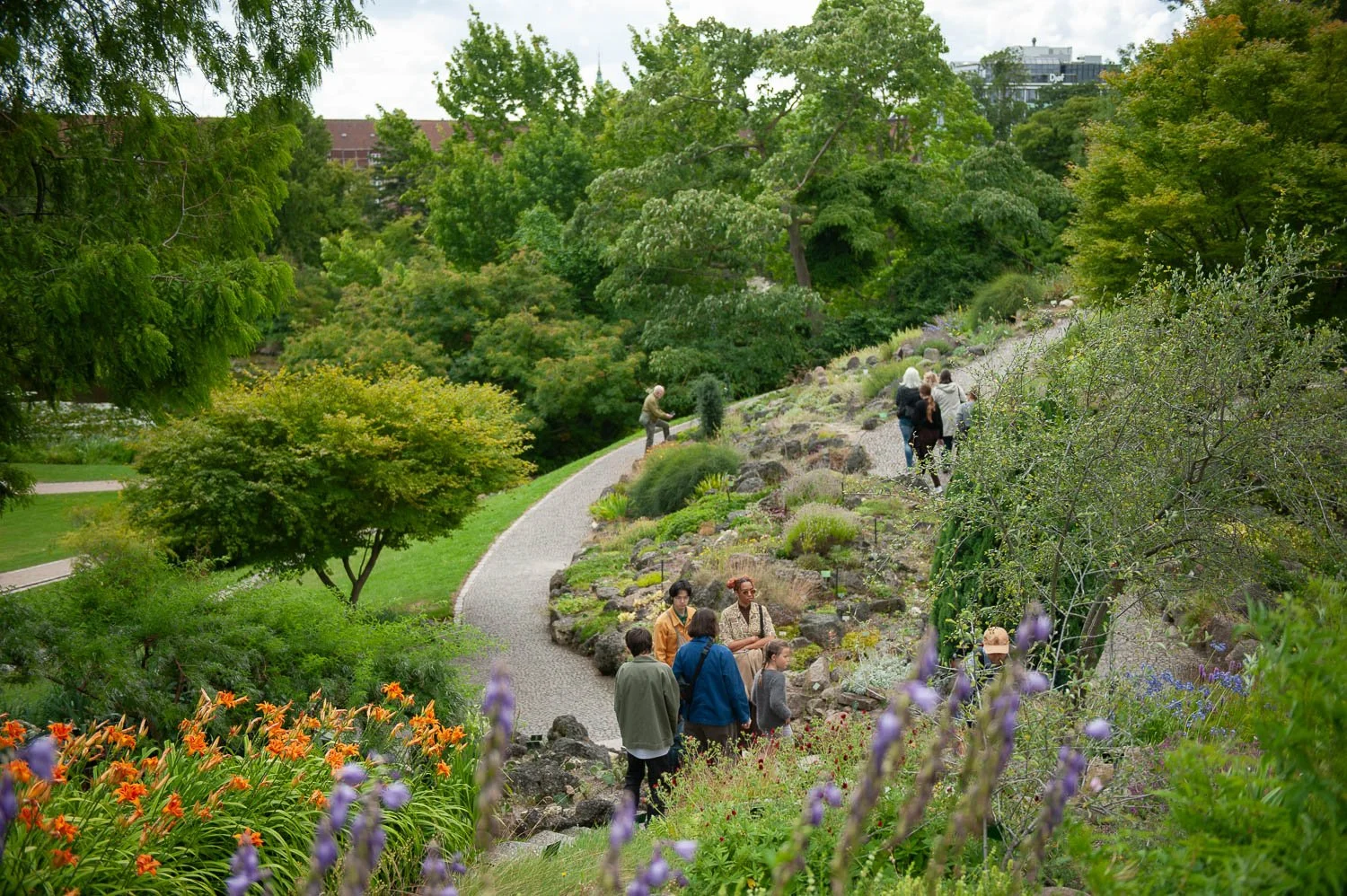
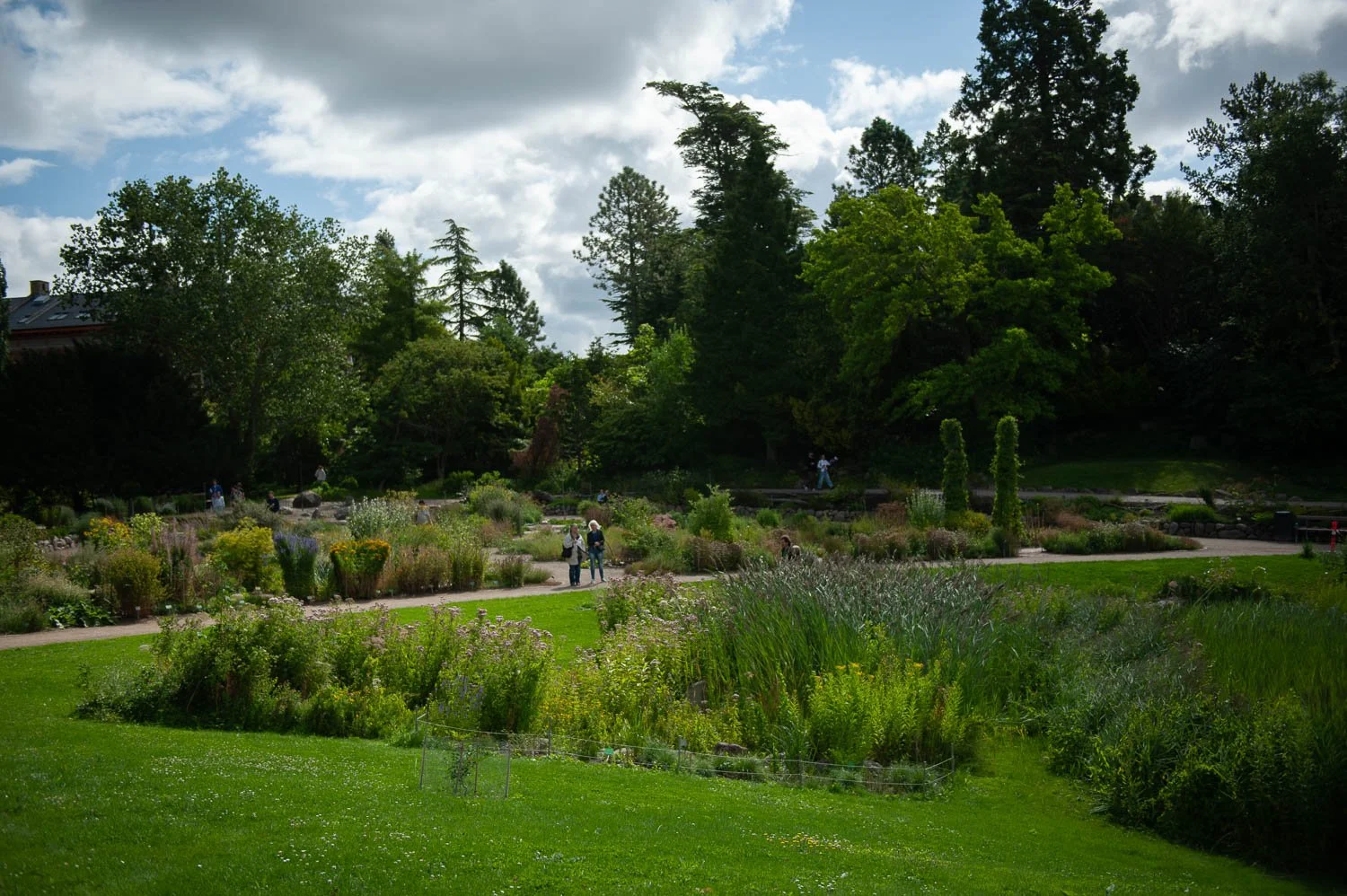
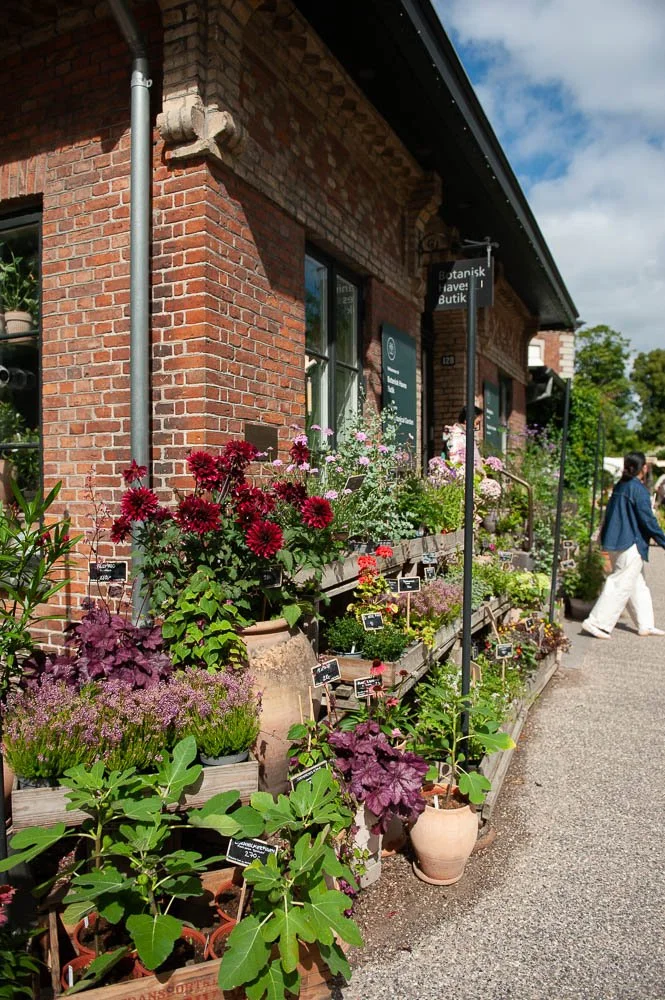
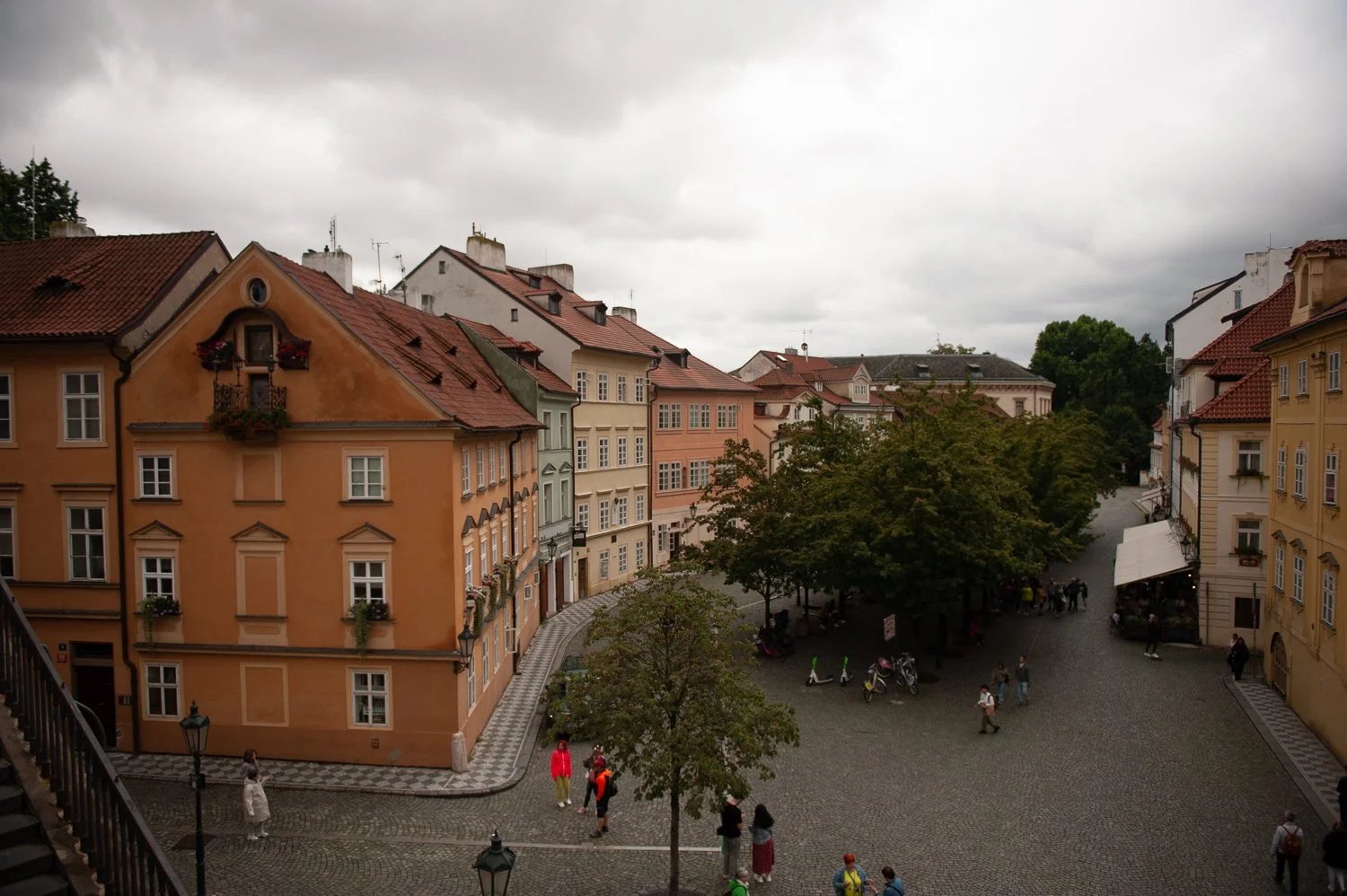
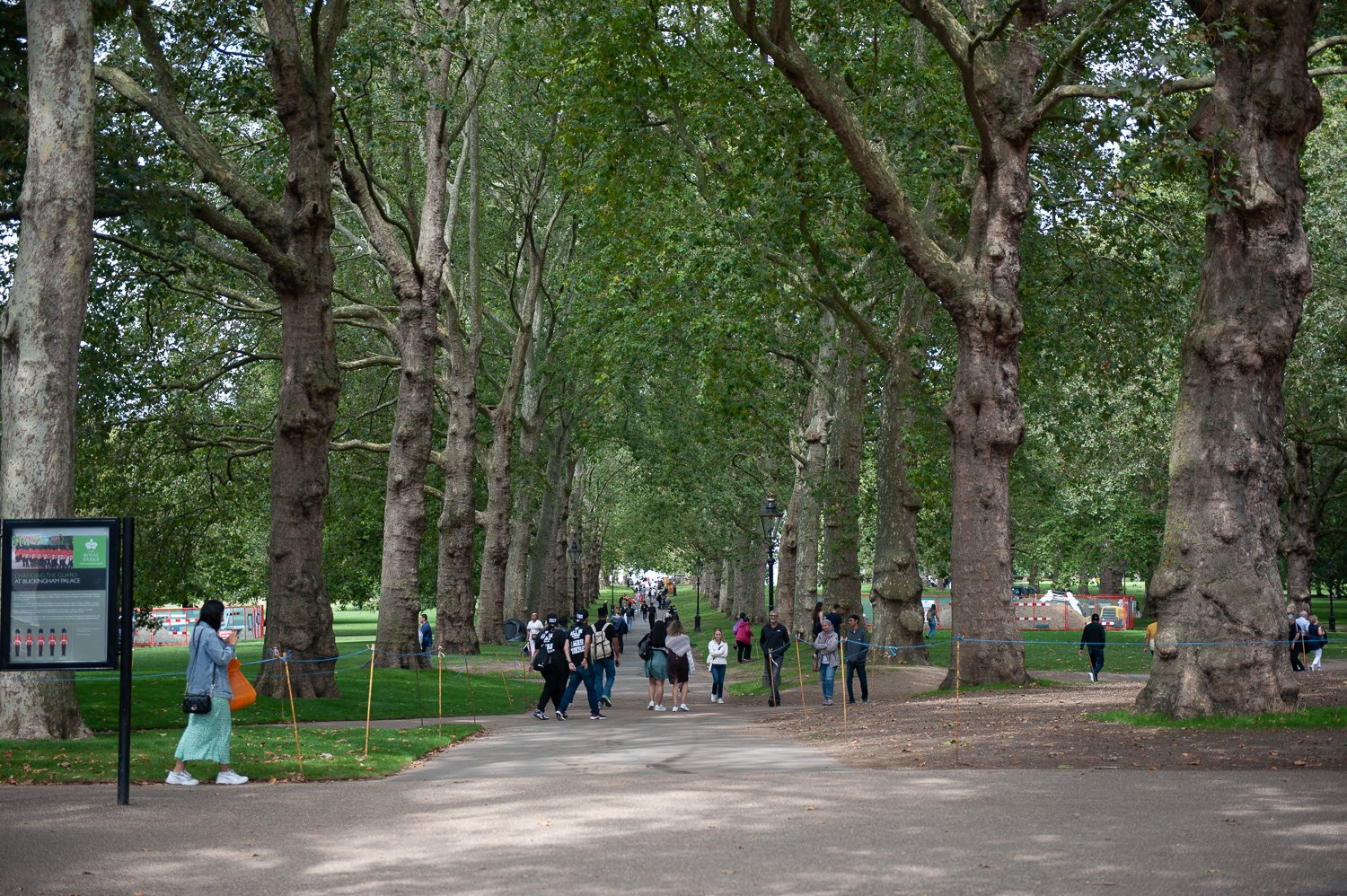
Between the grounds surrounding Copenhagen’s historic castles, the free botanical garden, and countless parks, large expansive green spaces were everywhere. Like in Prague, I noticed that the spaces accommodate a mix of ages and activities. Whether you want to sit and relax, get active, or be alone or in a group—there’s a space for you.
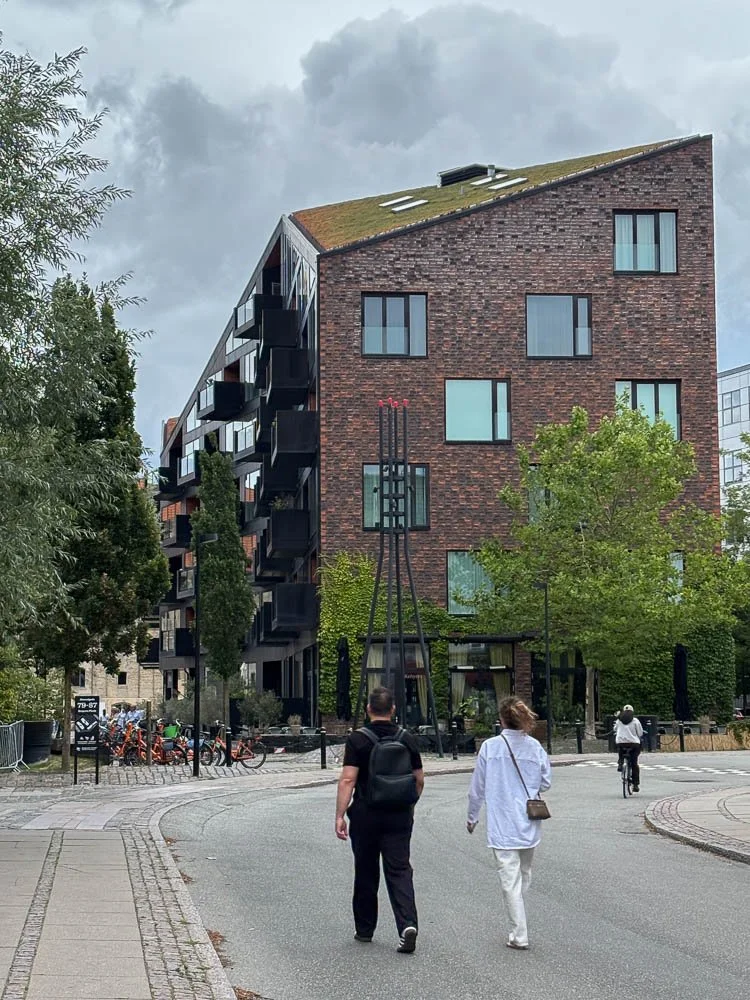
Moss and other plants top buildings and bus stops, adding a natural cooling effect and an opportunity for water to be absorbed before making its way to the stormwater pipes.
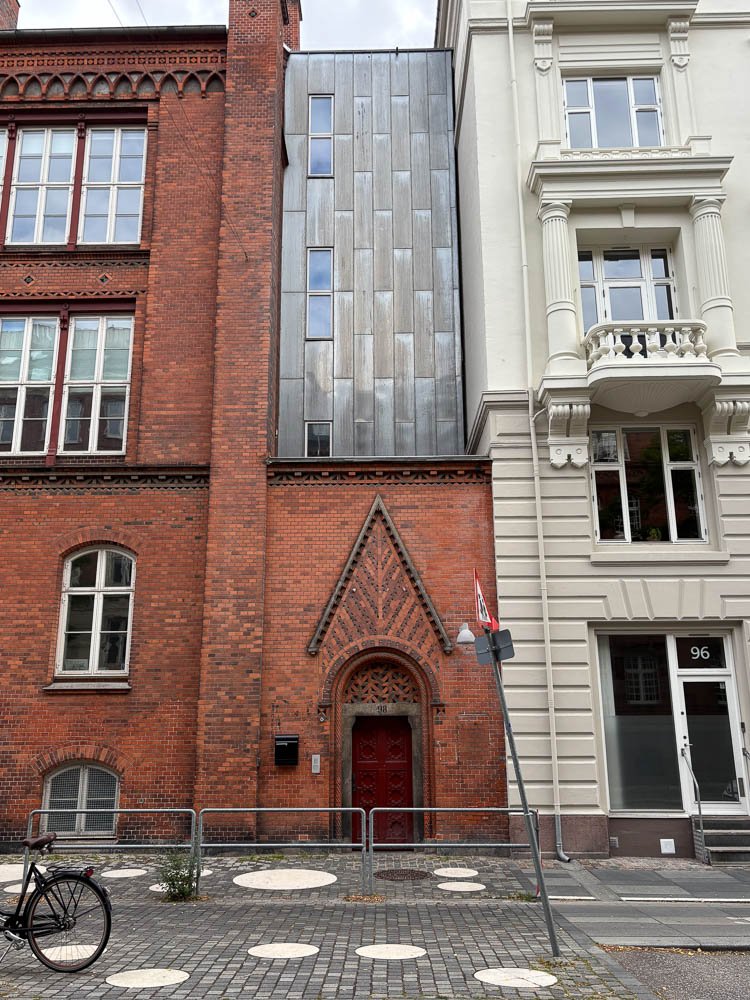
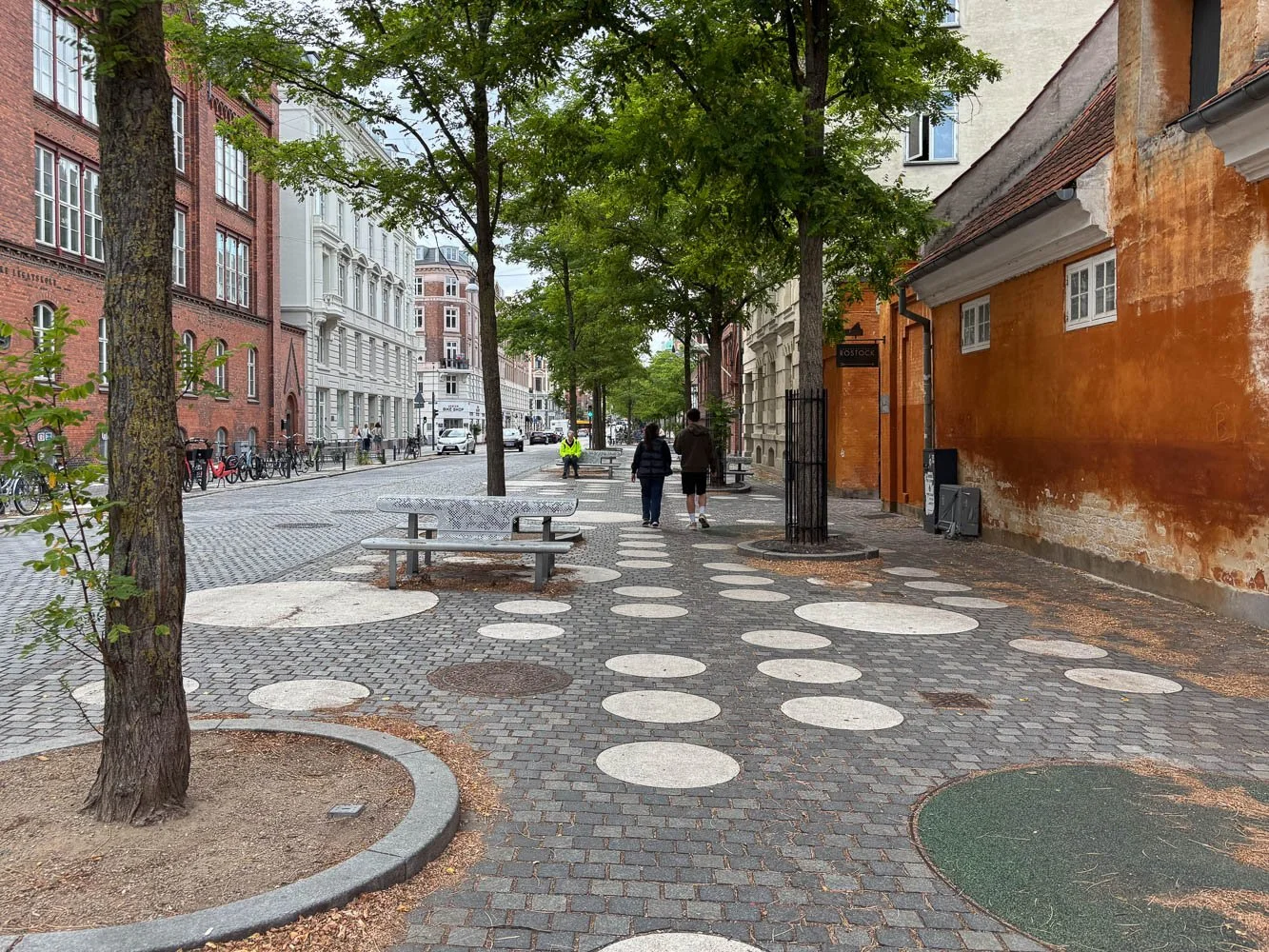
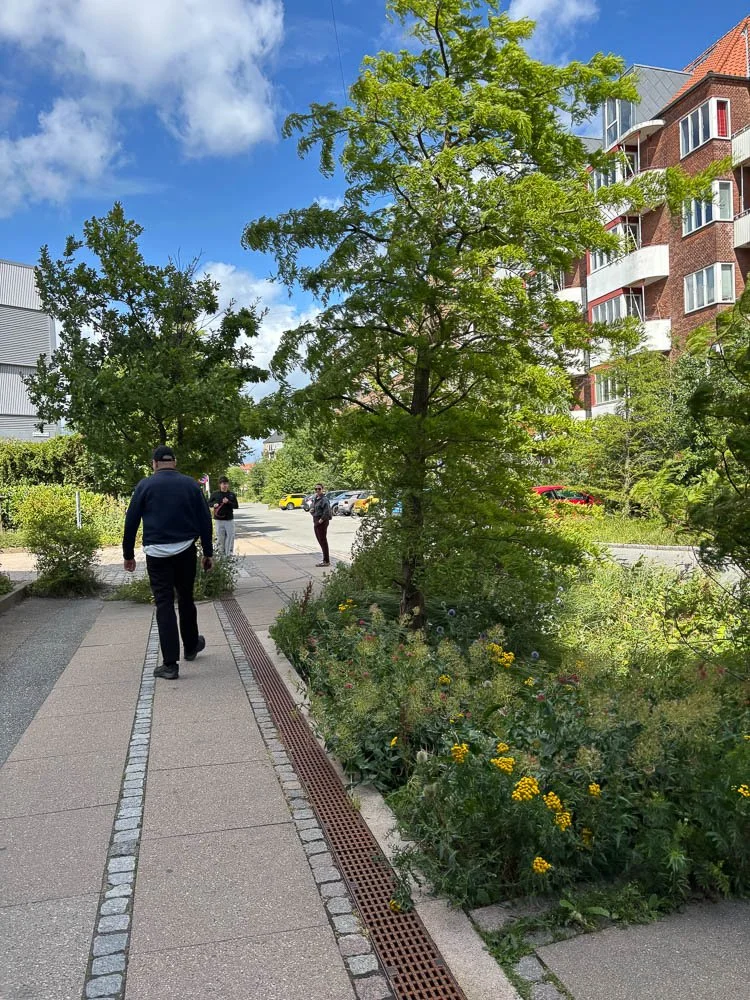
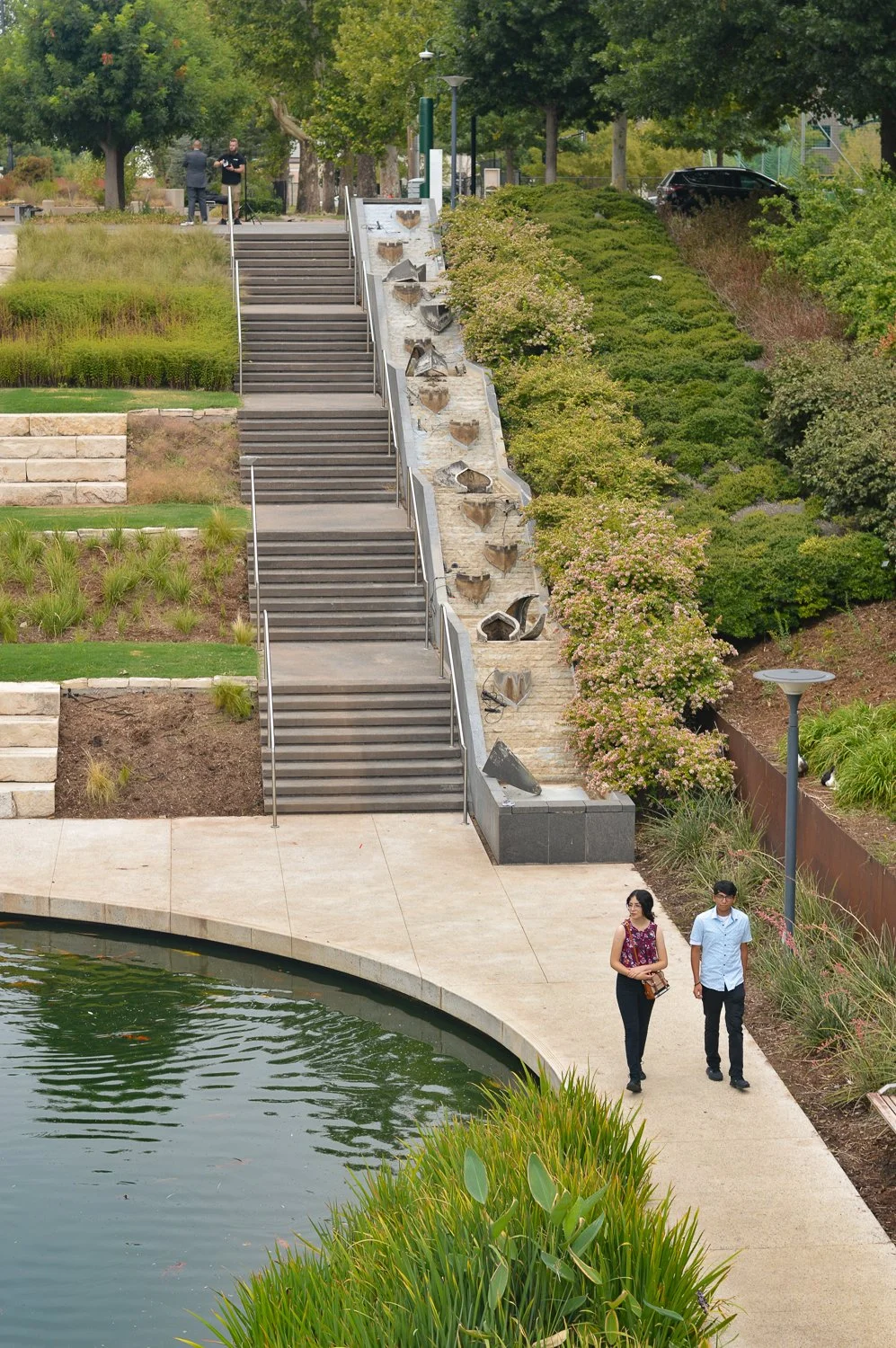
In addition to adding new features, the City removed whole sections of pavement, replacing concrete with permeable pavers and allowing native plants—some might say weeds—to grow unkempt between streets and sidewalks. We walked by an example on our way to tour a rooftop farm.
After the historic cloudburst, one landscape architect spent time studying New York City’s approach to urban gardening before creating Gro spiseri, Denmark’s first urban rooftop garden.
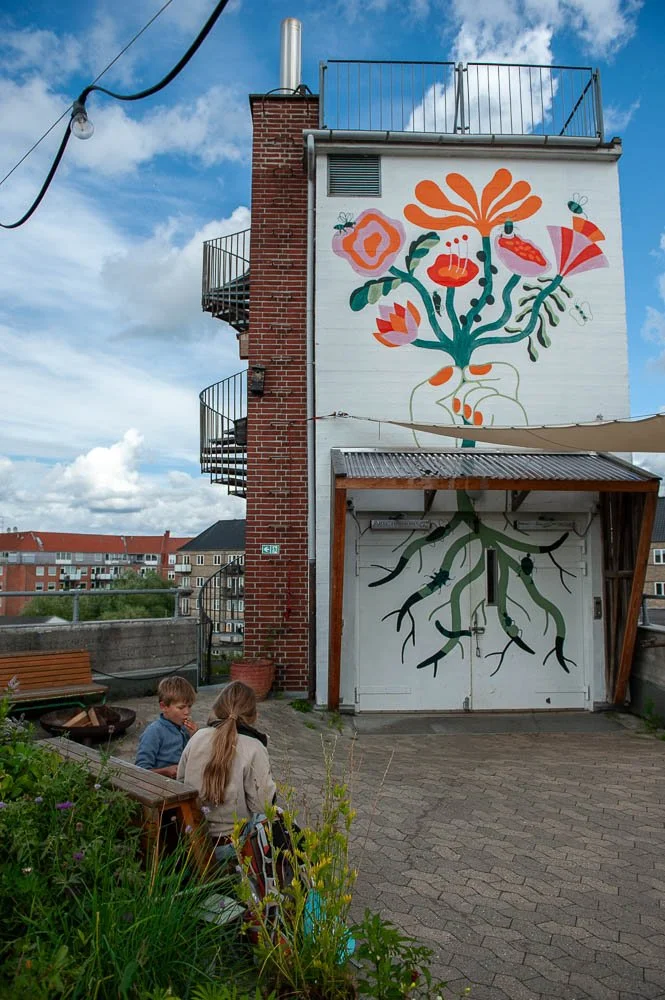
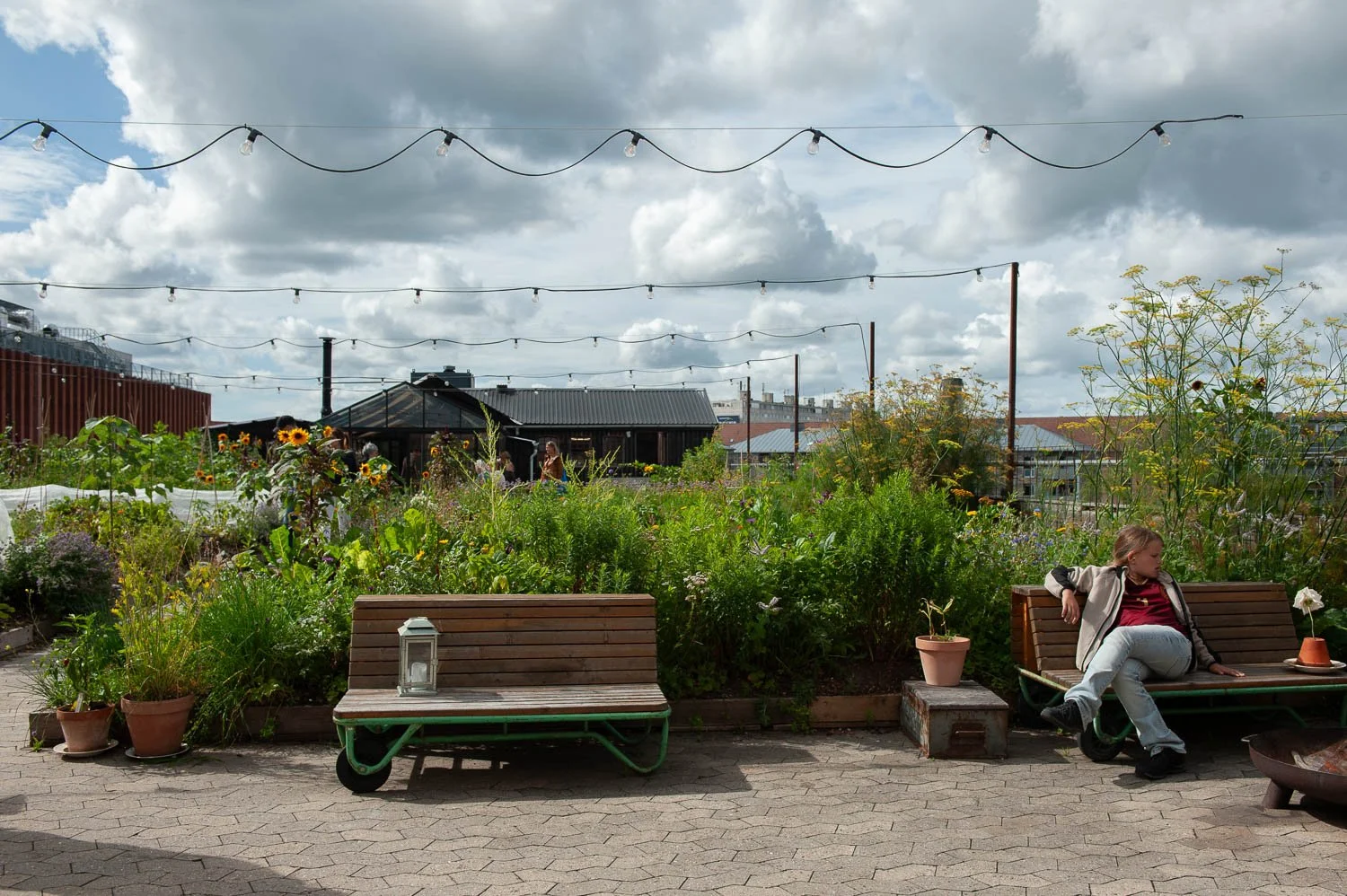
To see it we climbed a tiny winding staircase so high and narrow I thought it best not to look down. On top was a green oasis.
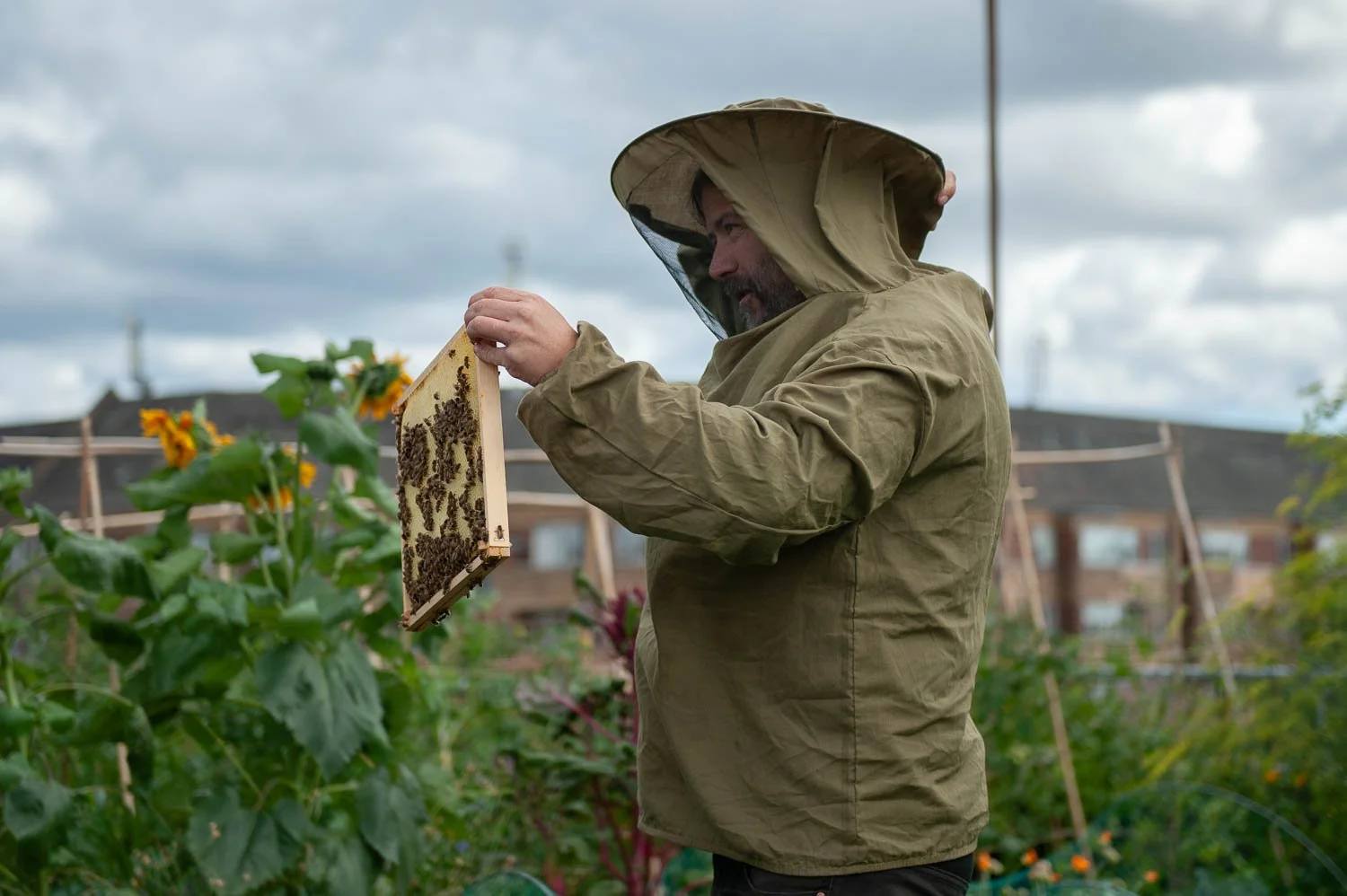
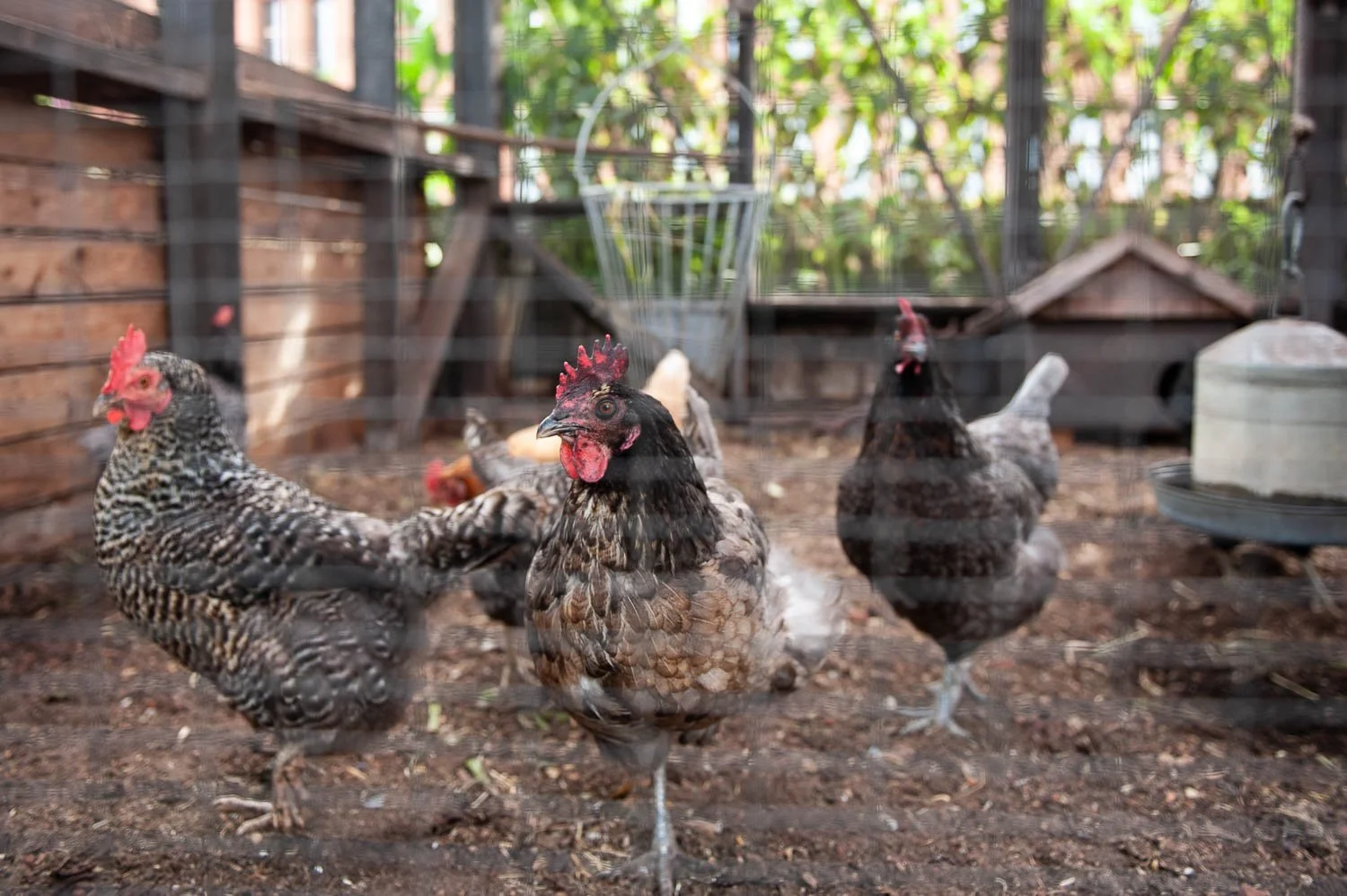
The farm grows a strikingly similar mix of flowers, herbs, and vegetables to those that I have in my own garden. Several bee hives bring local honey, and a crew of chickens provide eggs.
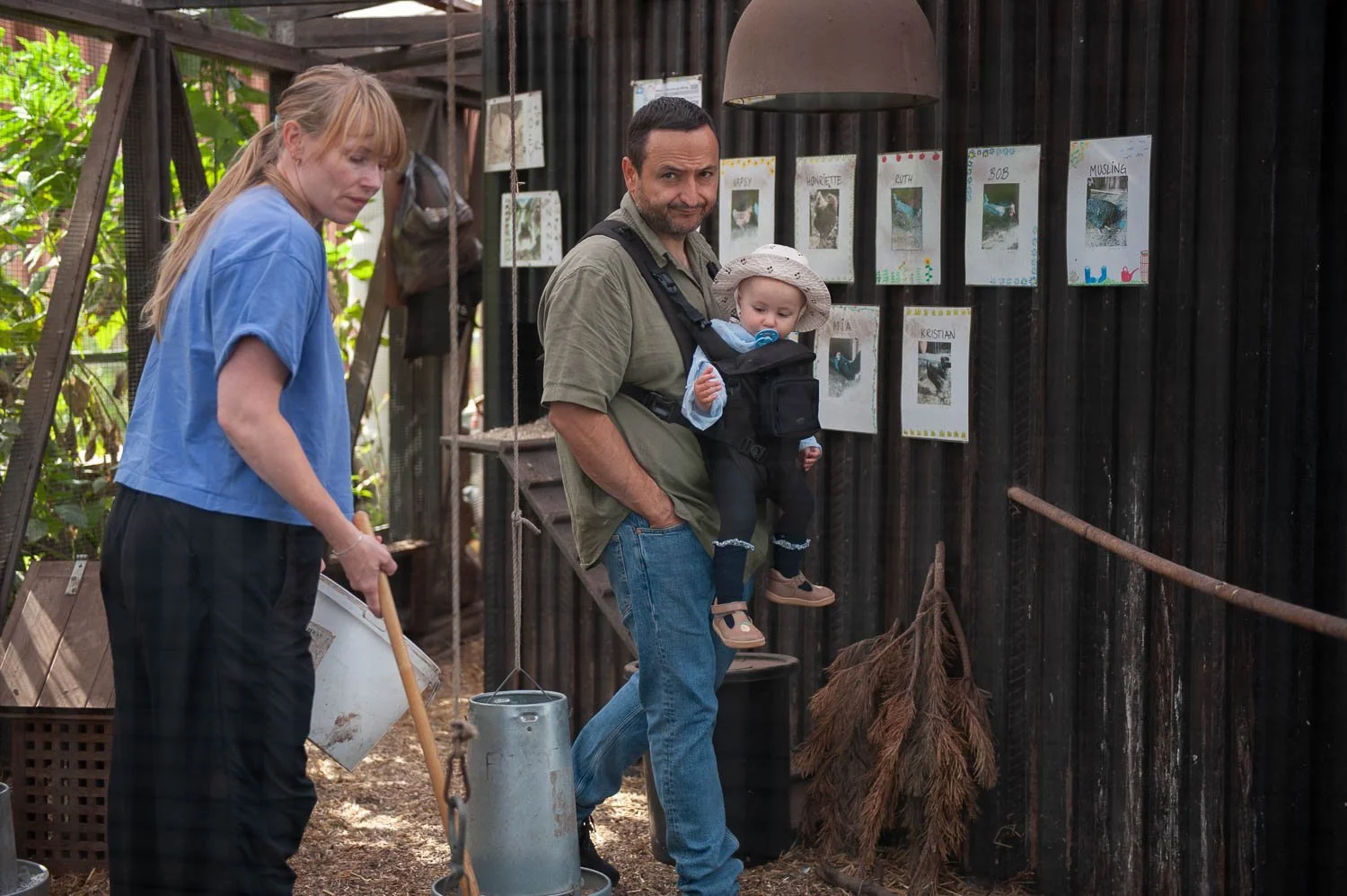
The farm feeds around 40 CSA members, who pay a fee for produce. They don’t participate in the actual farming—the owner blamed their lack of interest on Denmark’s culture—but they can volunteer to help care for the chickens, as this young family was doing.
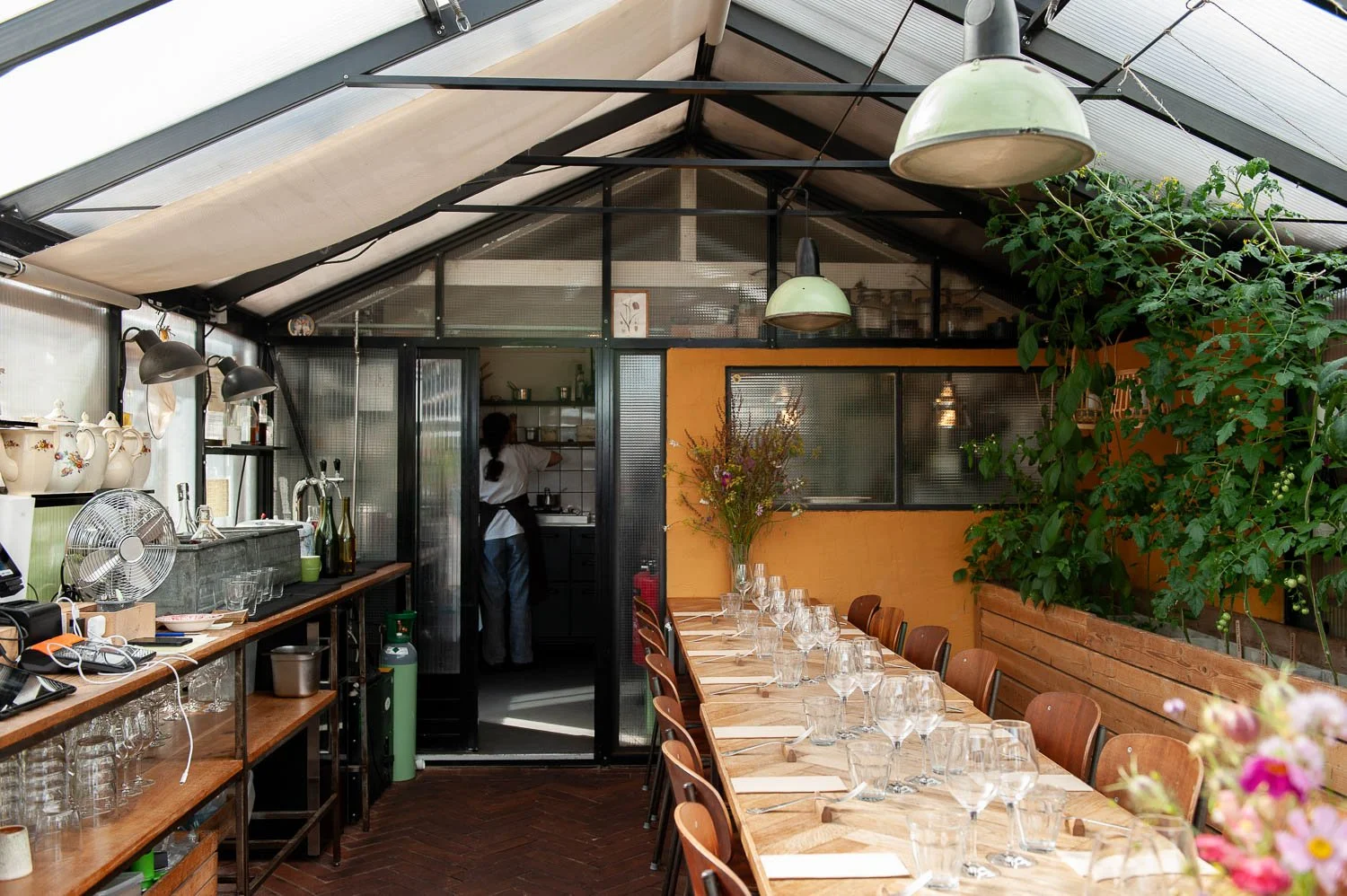
While the rooftop garden project received several government grants to get started, it now sustains itself with money from CSA fees and proceeds from the communal meals served in its cozy restaurant. We ate a meal there of five delicious dishes alongside a mix of Danes and Americans.
The Danish woman next to me asked how I found the place—the Danes don’t even know about this, she said. Instagram, I told her. (Sometimes the algorithm really does work.)
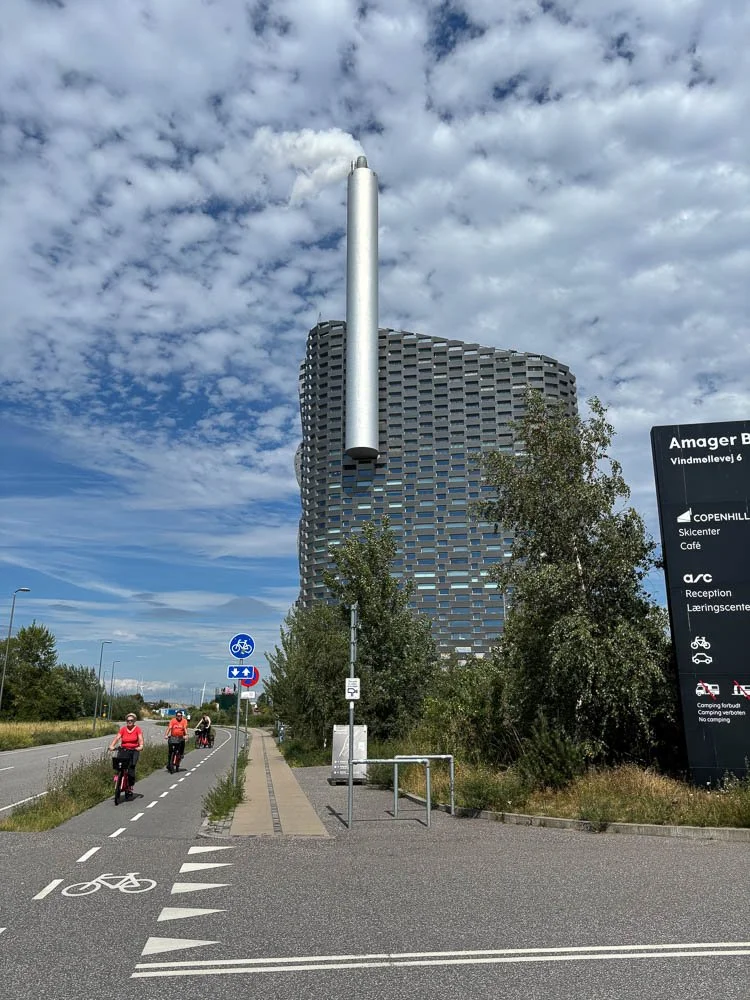
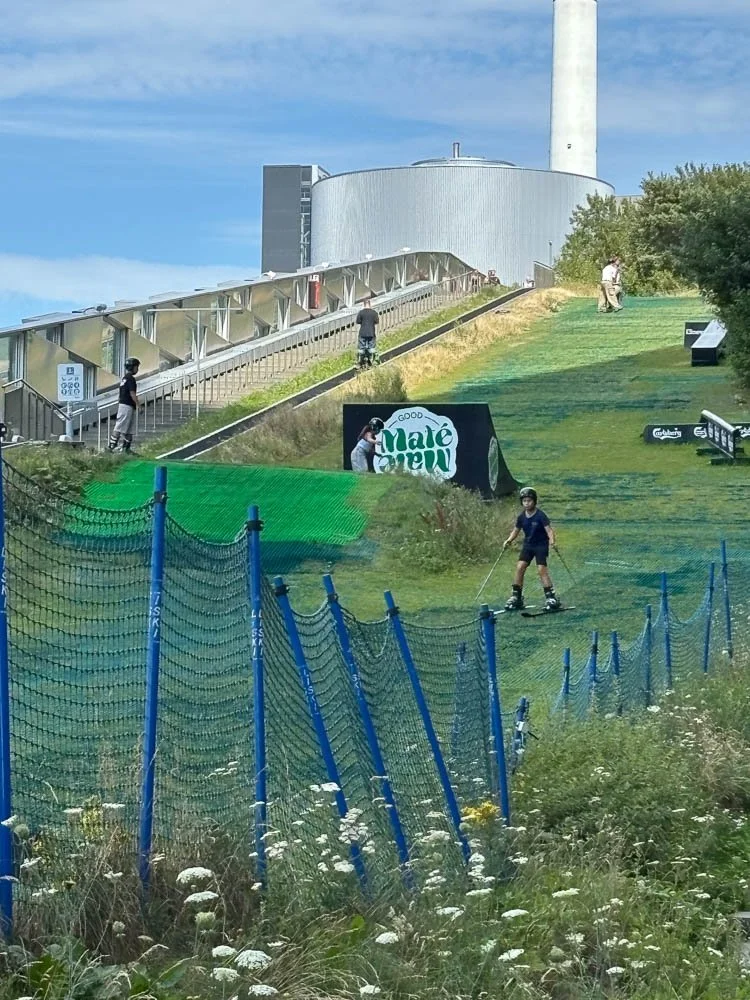
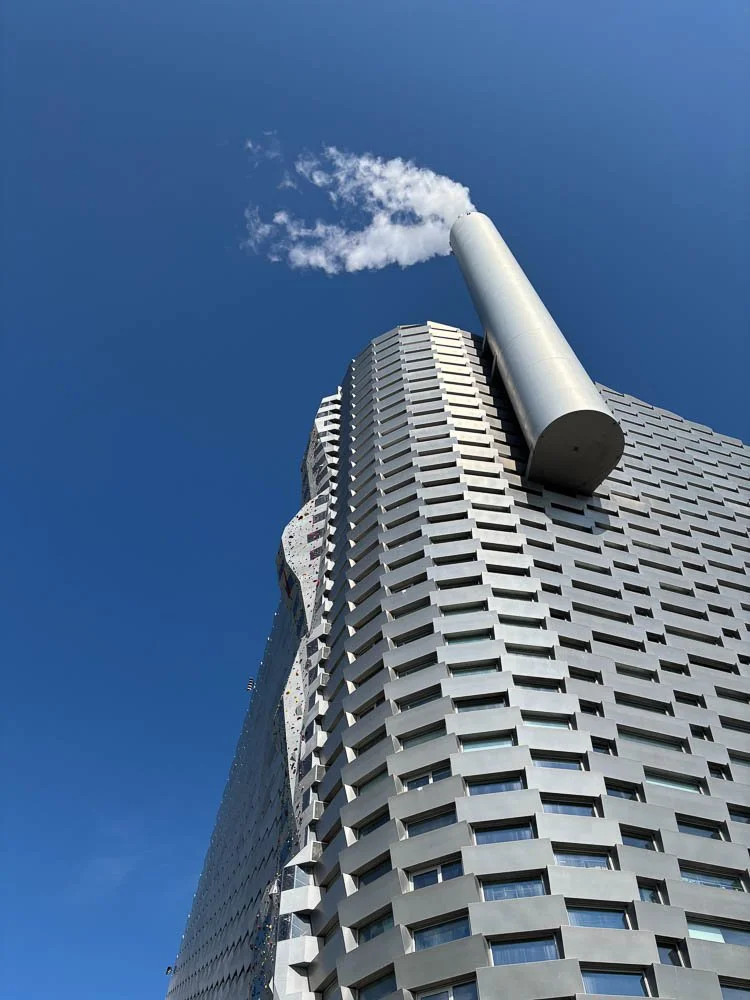
The most dramatic environmental feature we saw, however, was Copenhill. Now the City’s tallest building, this facility incinerates 440,000 tons of municipal waste each year and offers an array of recreational opportunities.
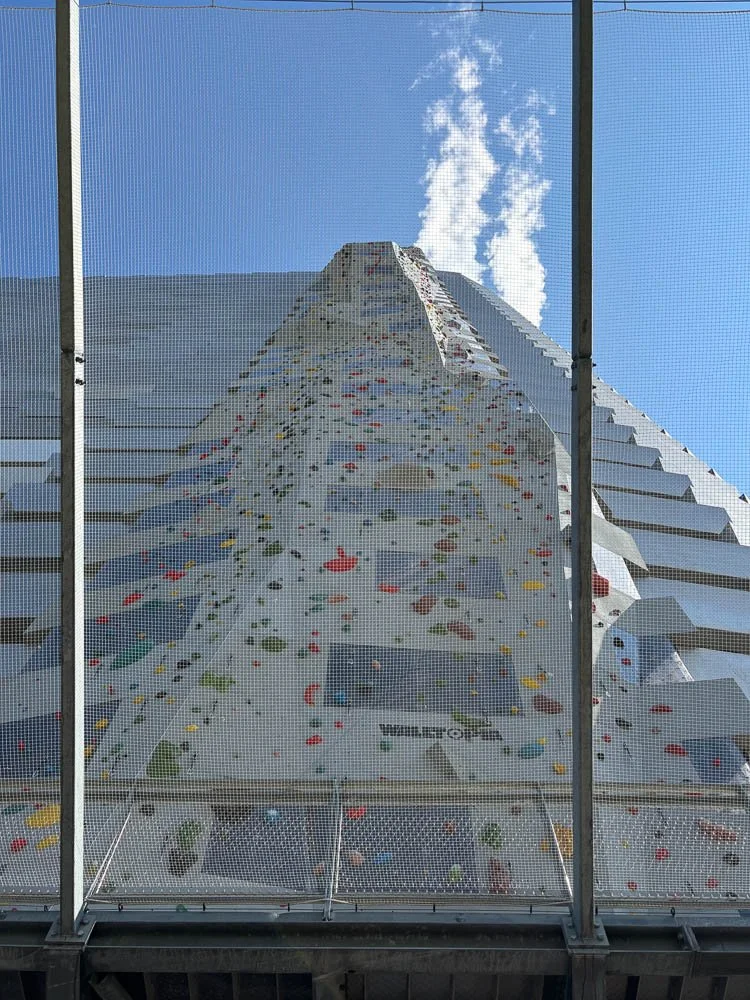
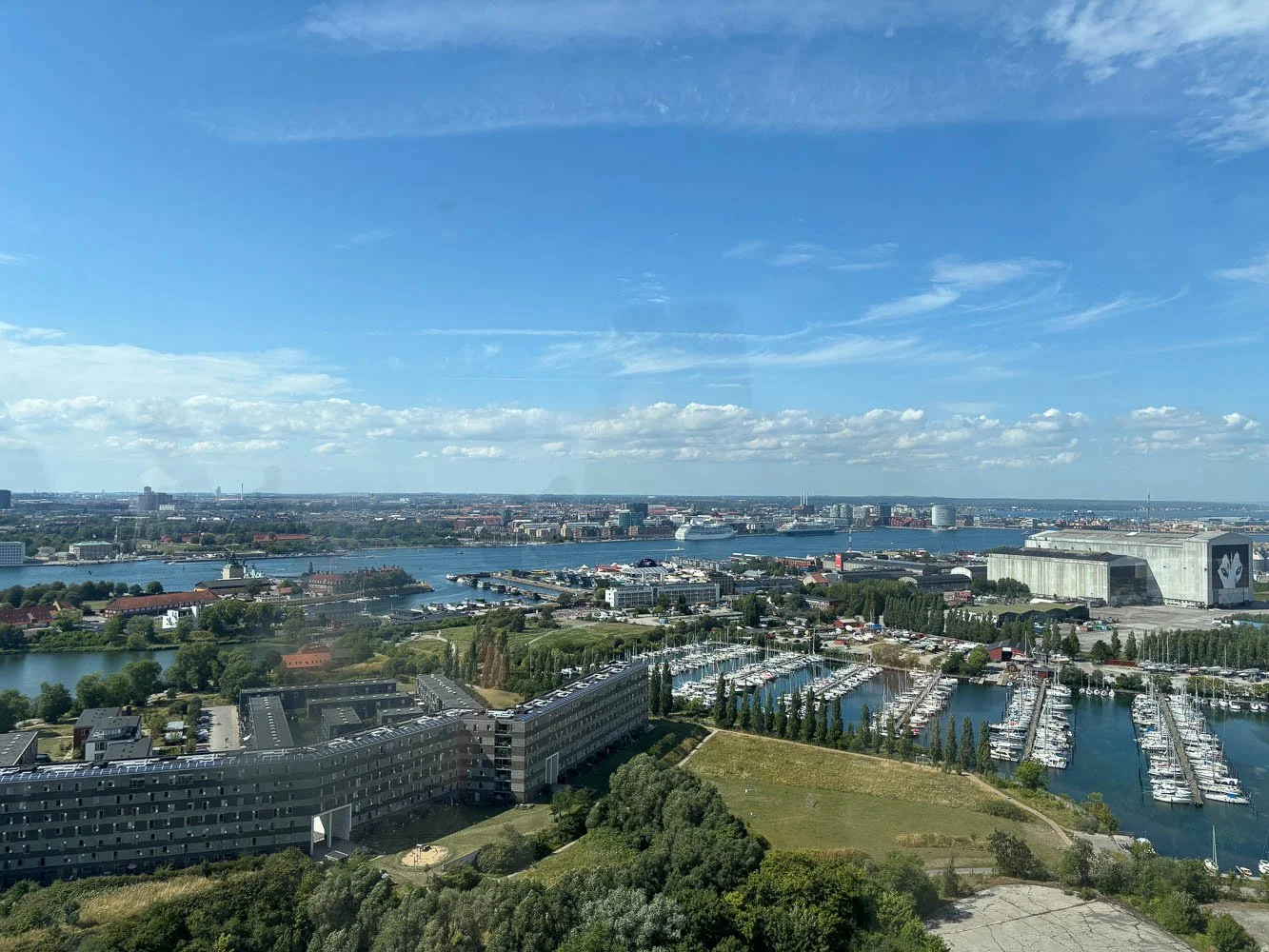
You can ski or snowboard down it in any season. It offers amazing 360 views of the city, and a giant climbing wall to boot.
And on top of all those features, I found it just plain beautiful to look at.
While these public spaces serve an important ecological purpose, they have also been very intentionally designed with people in mind.
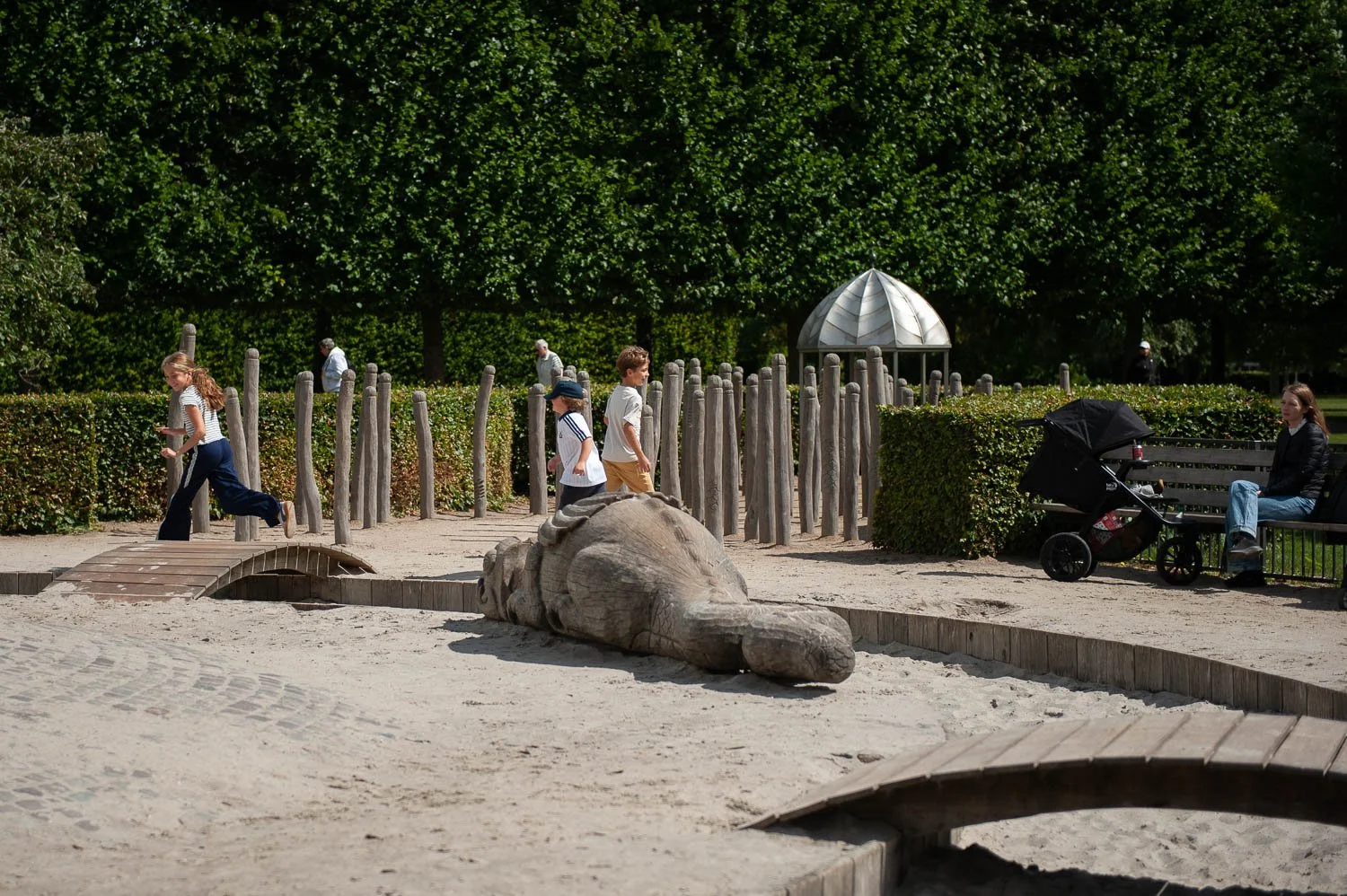
Everywhere we went there were natural and built features made for play and relaxing.
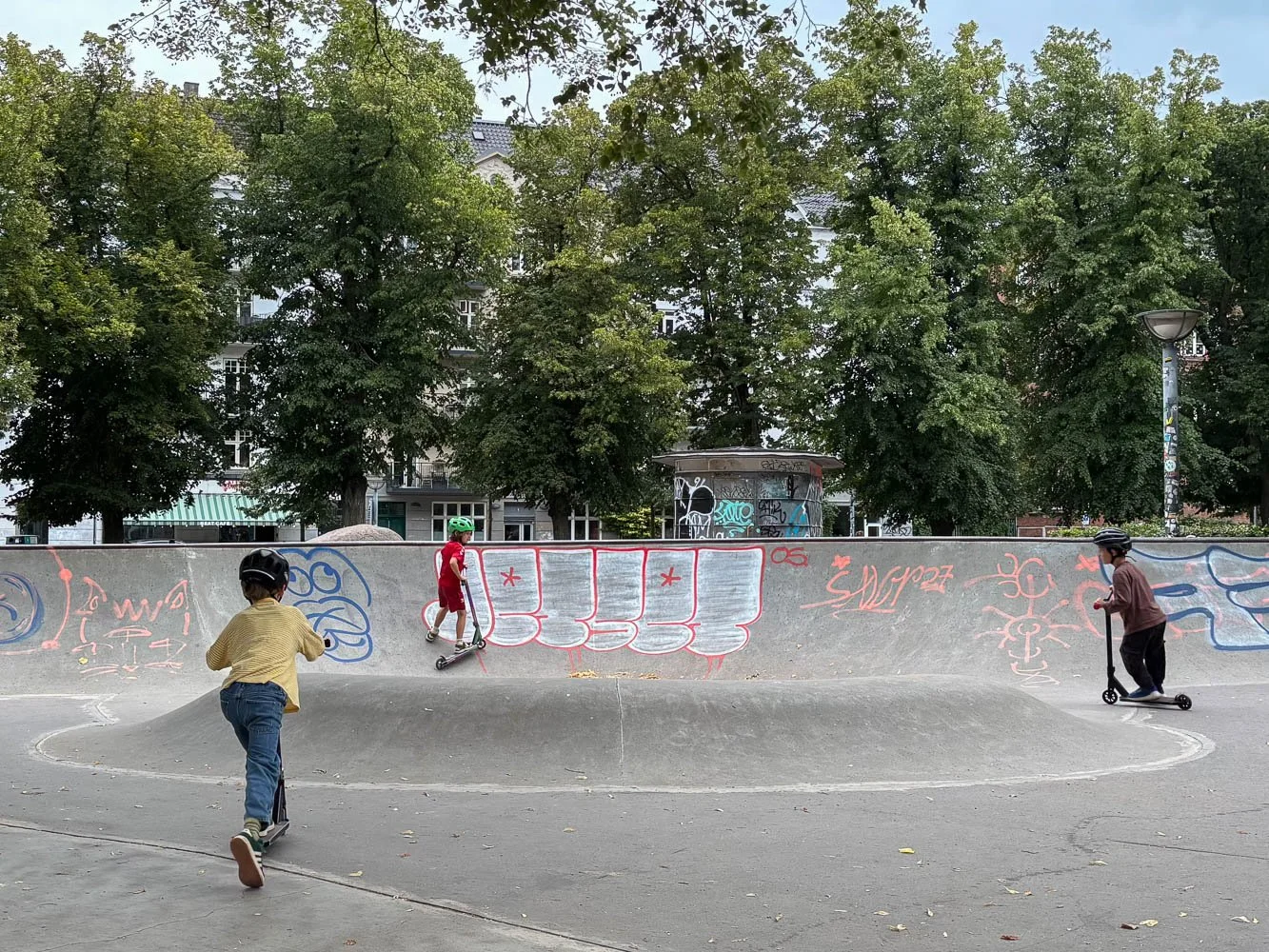
Graffiti seemed to be embraced. We saw it in skate parks and along walls and buildings flanking the canals. It added color and texture to areas that were otherwise rather color-neutral.
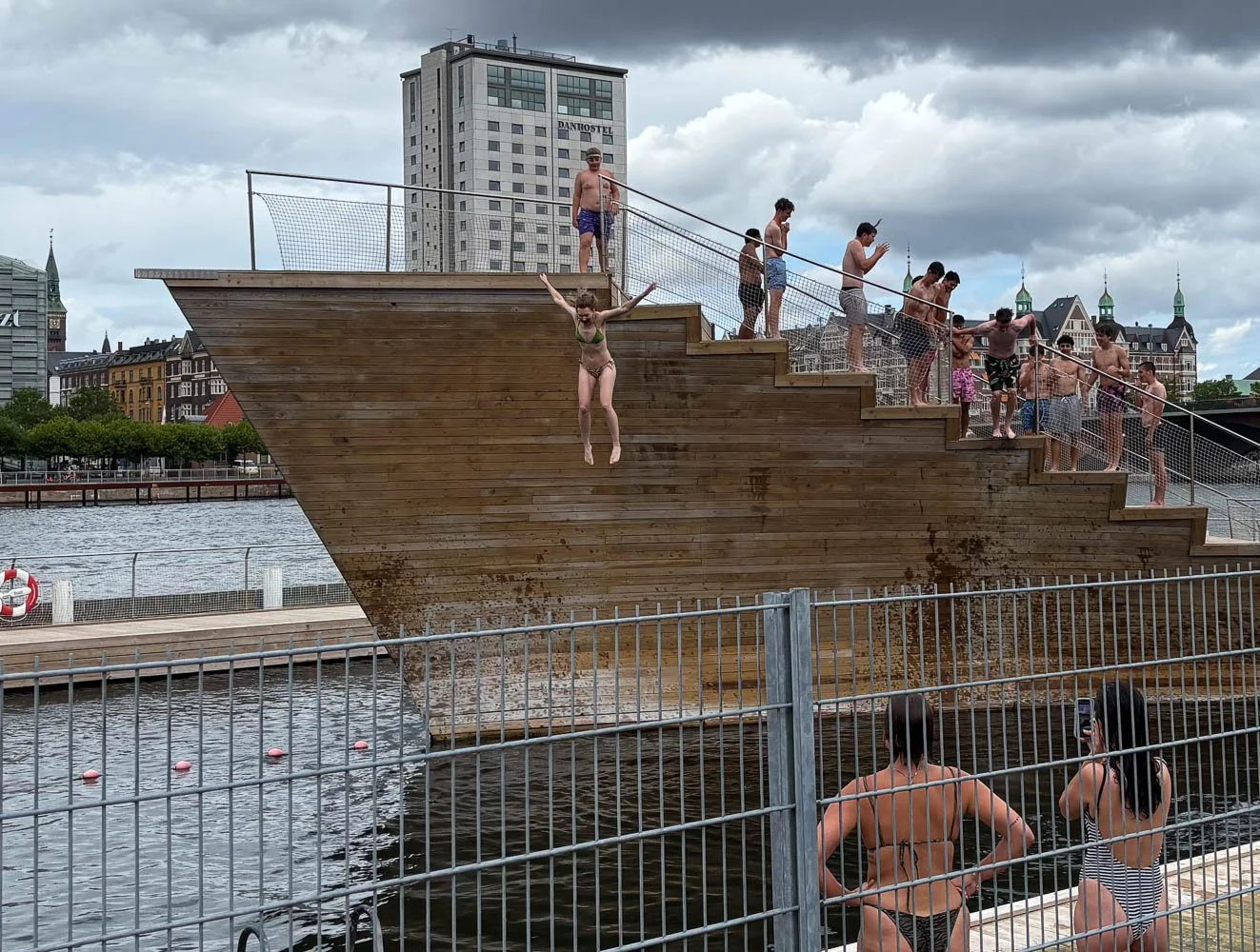
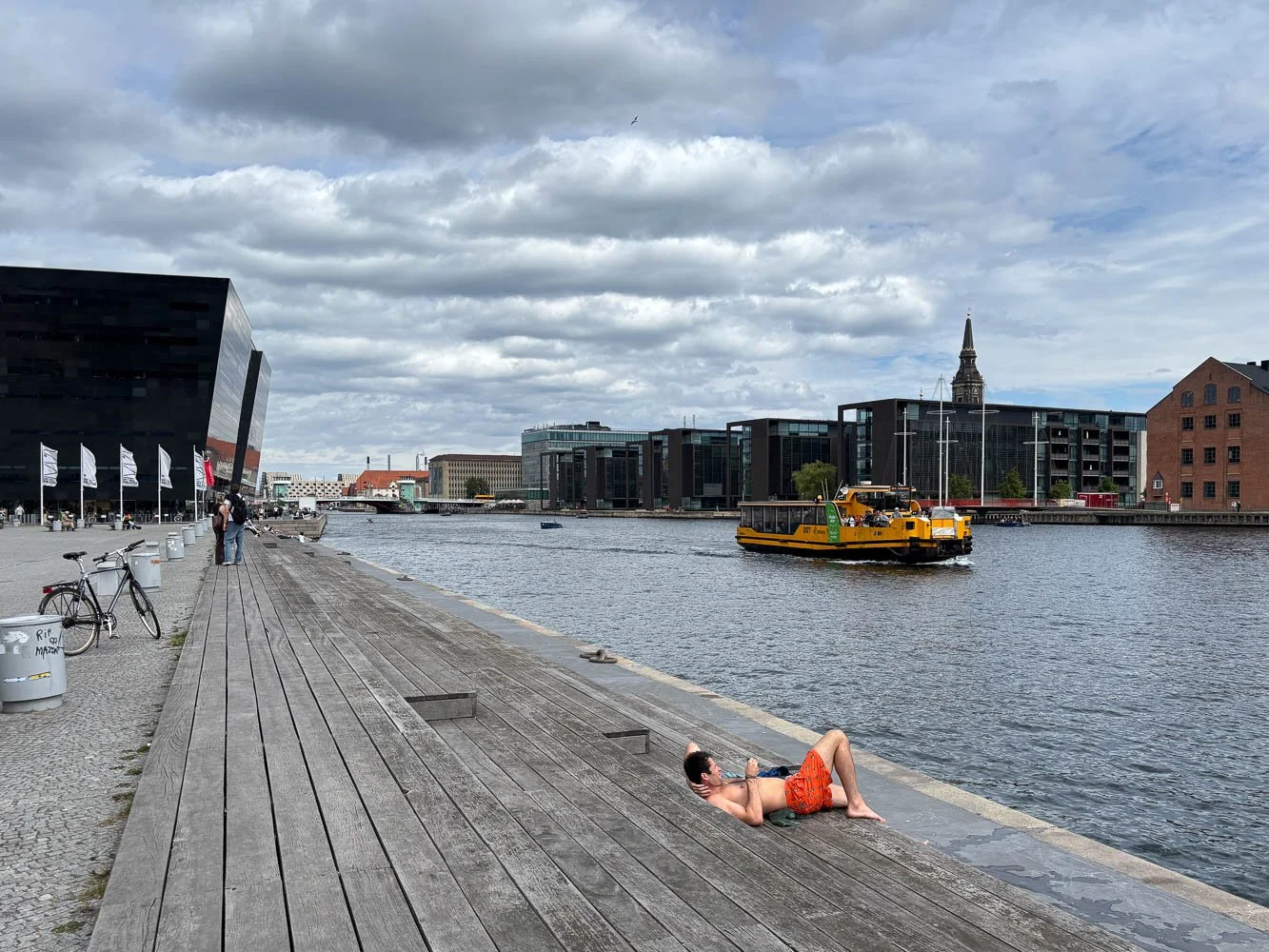
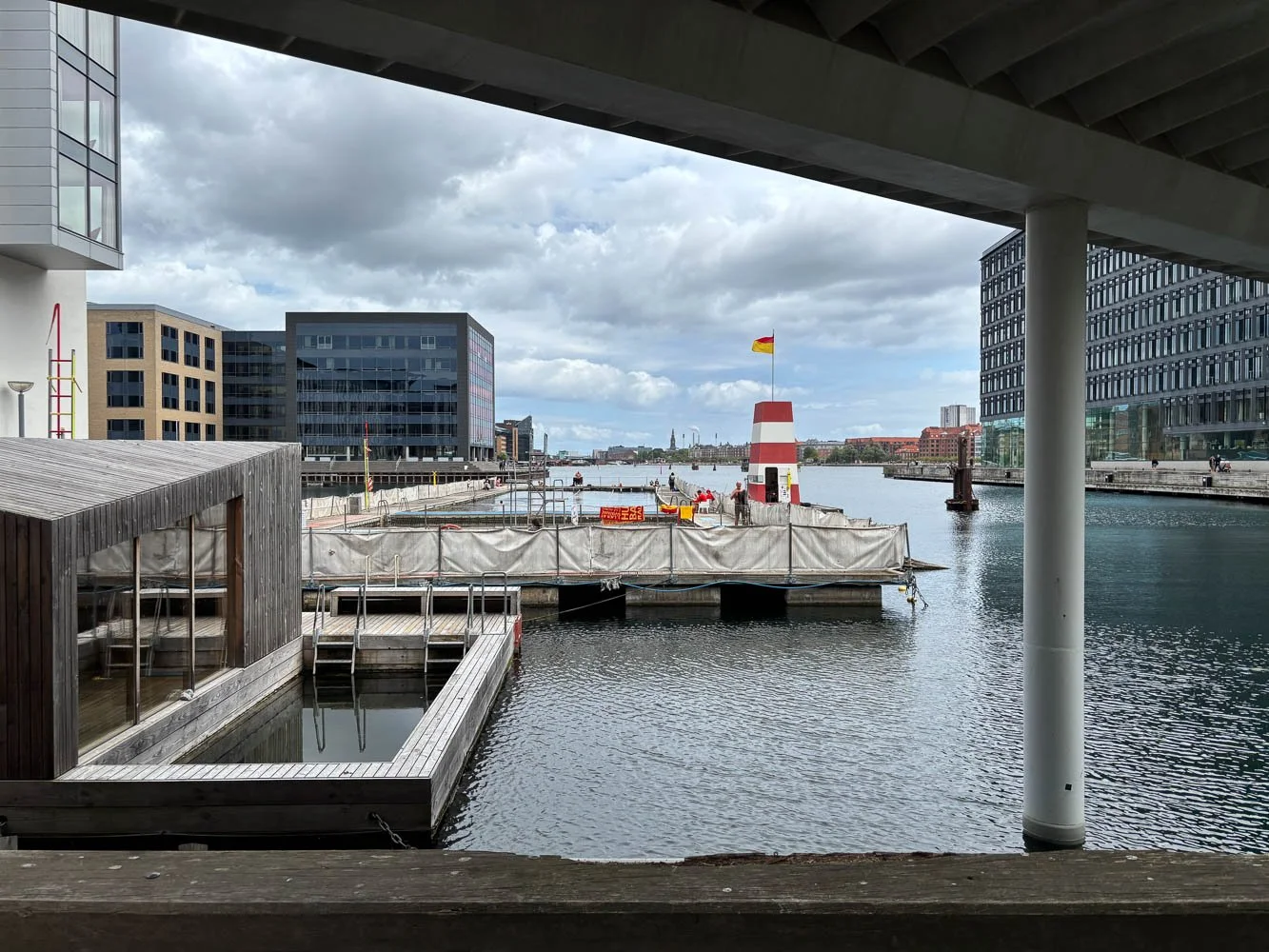
Multiple spots along the City’s clean canals invited lounging, swimming, and jumping into the water.
We even saw an older man doing laps in the nude.
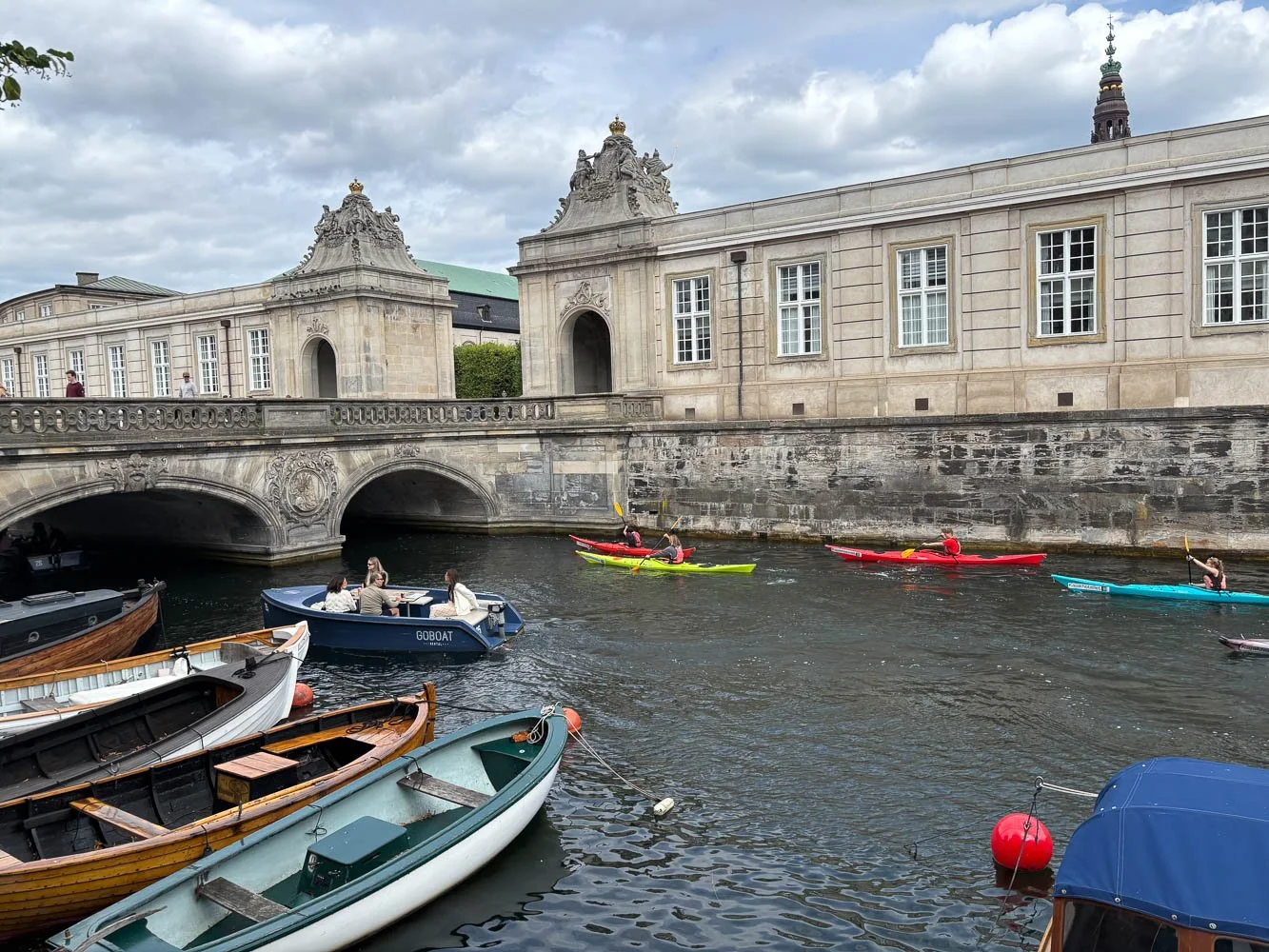
The canals were filled with a mix of kayakers, tourist boats, and small groups enjoying boat picnics.
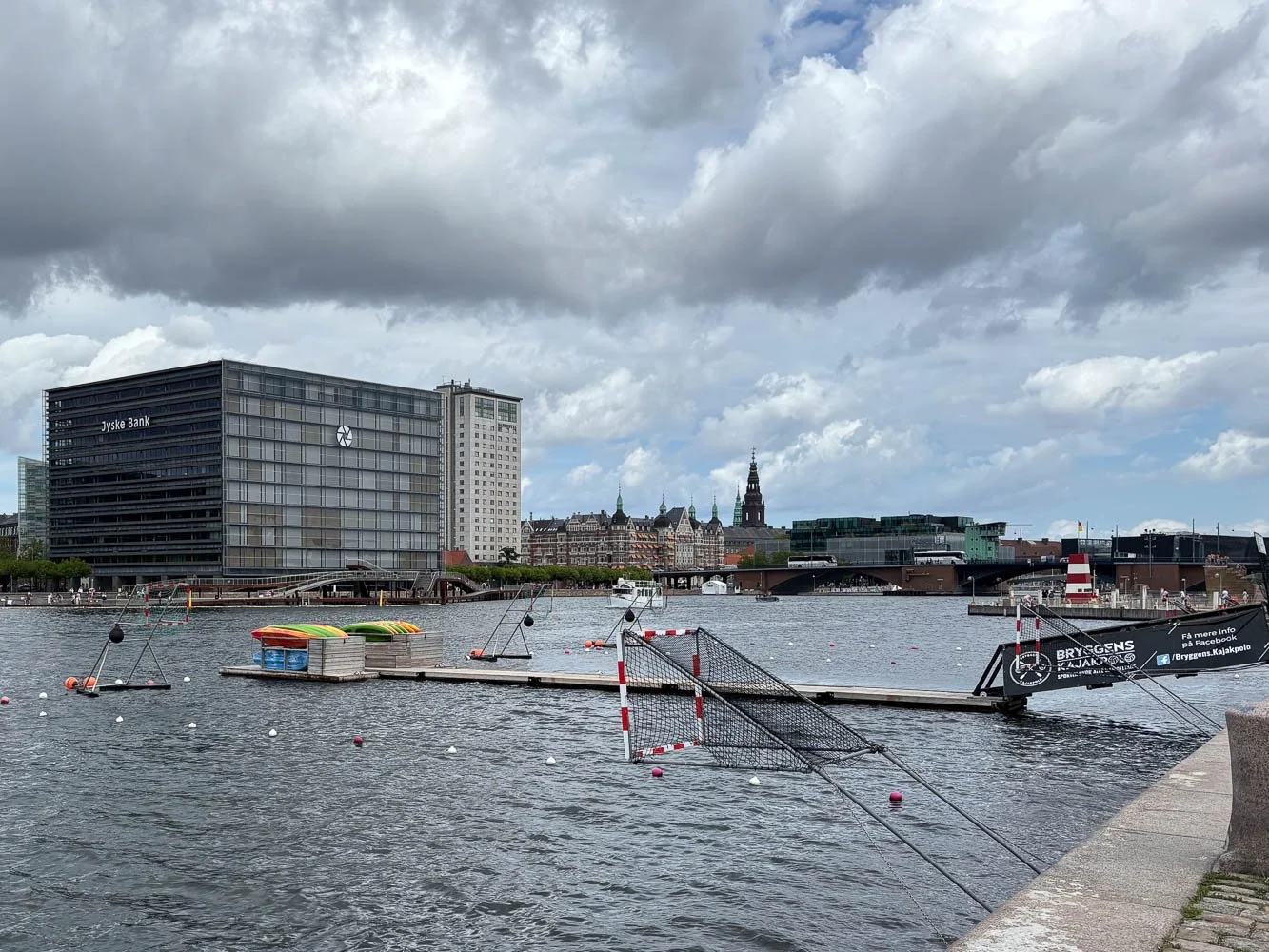
Another section of water was roped off for kayak water polo. Who knew that was a thing?
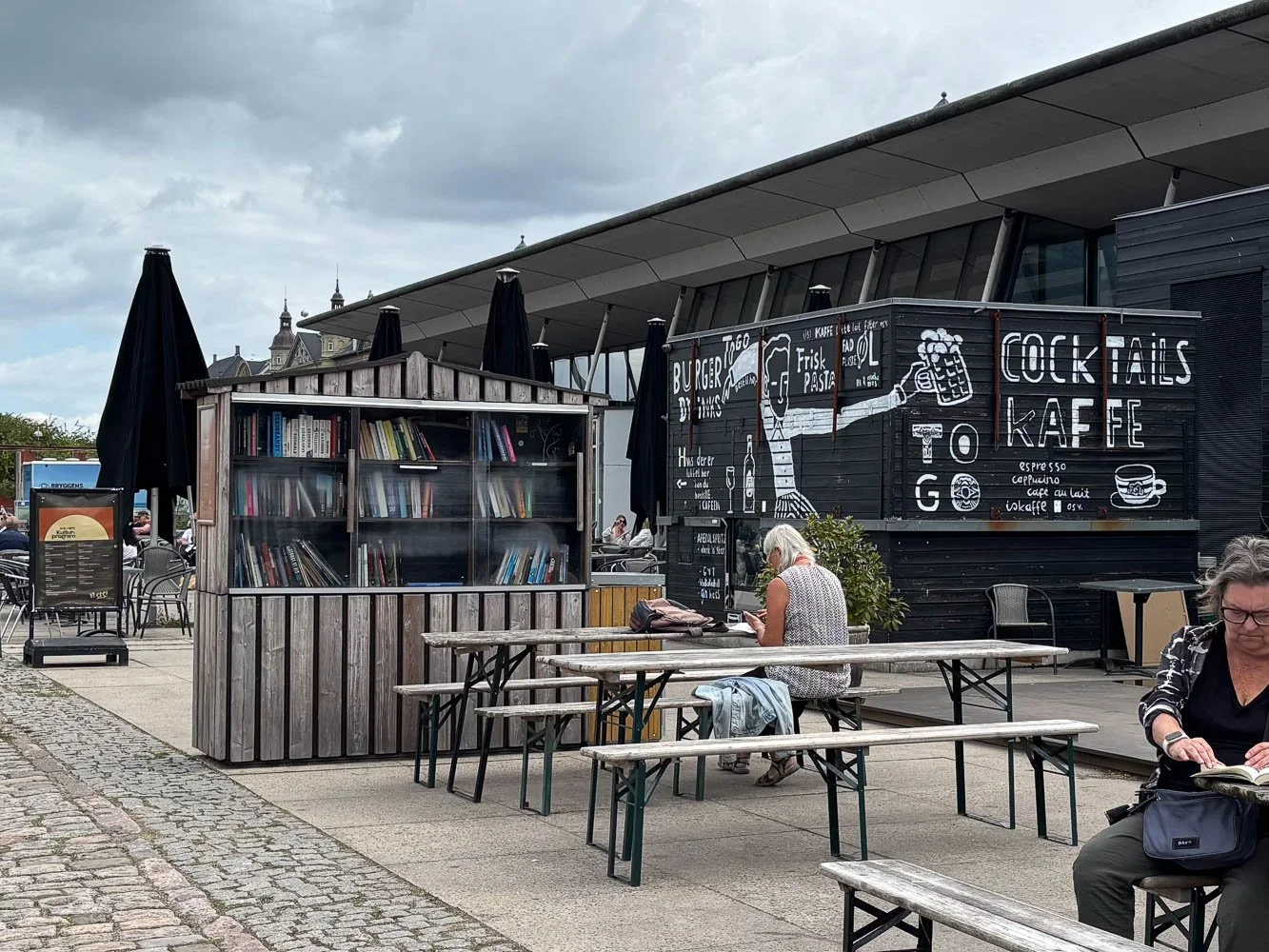
A canal-side cafe offered a large lending library of books.
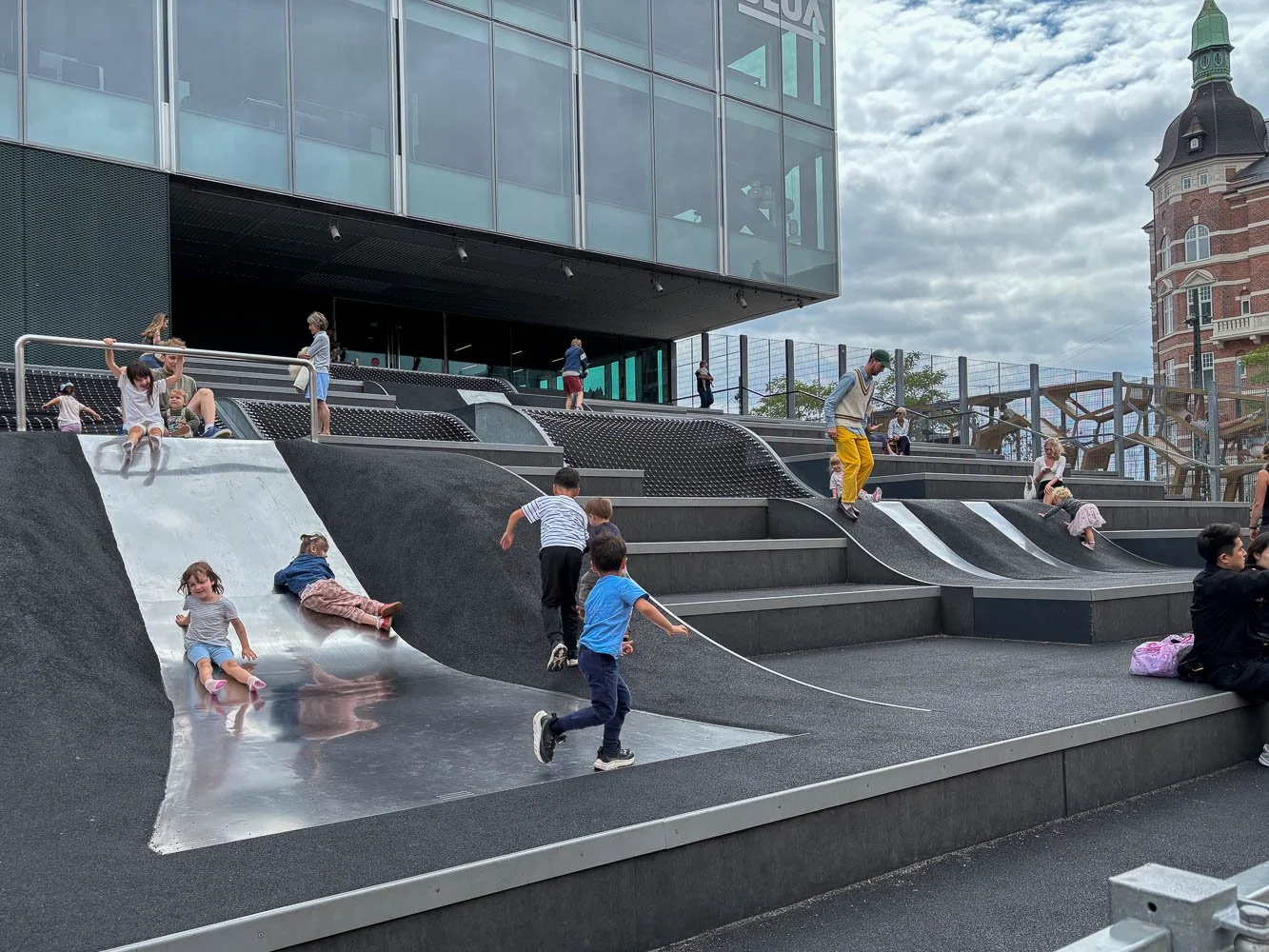
Outside the architecture center was a huge play area of slides and climbing features.
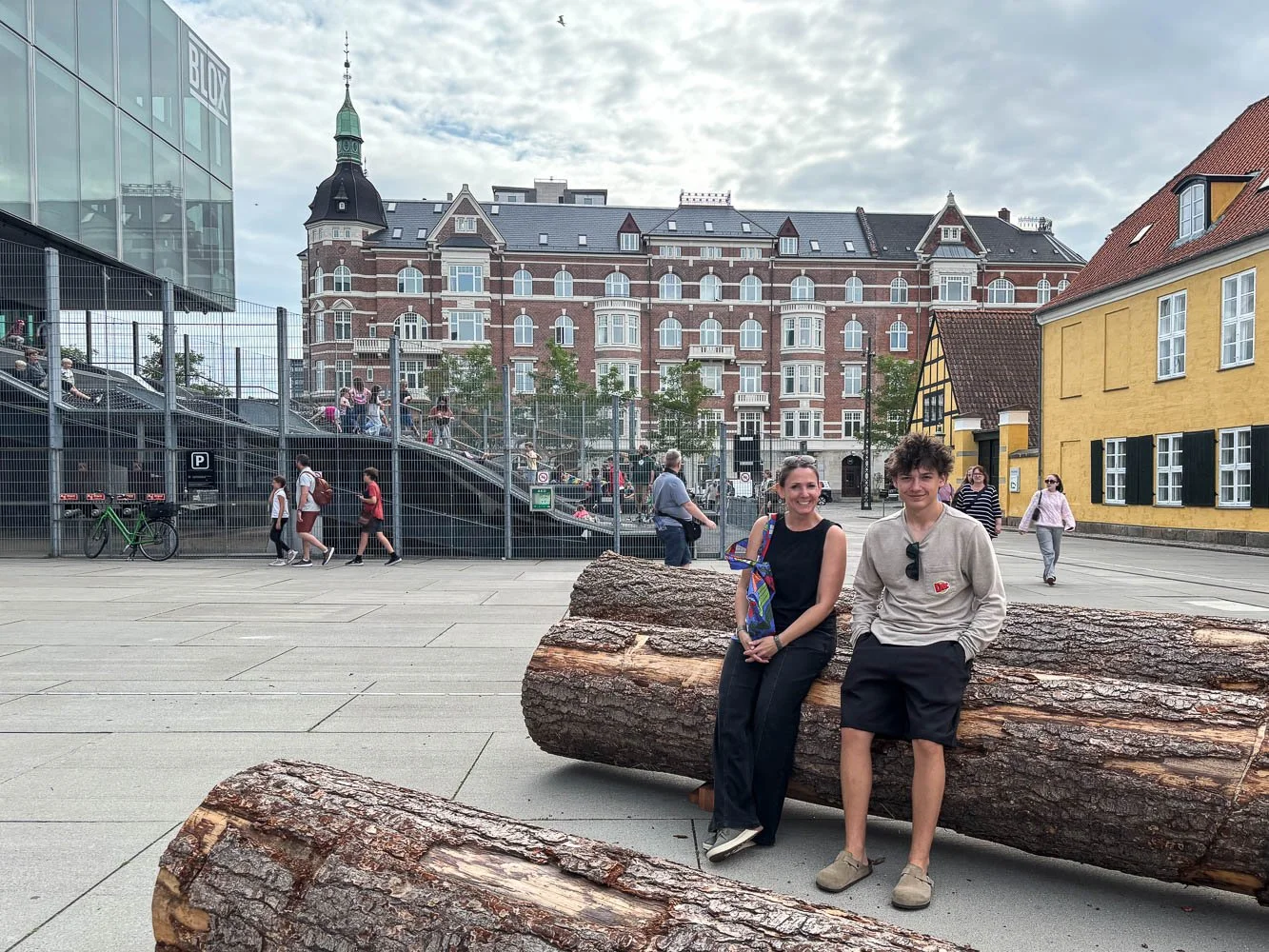
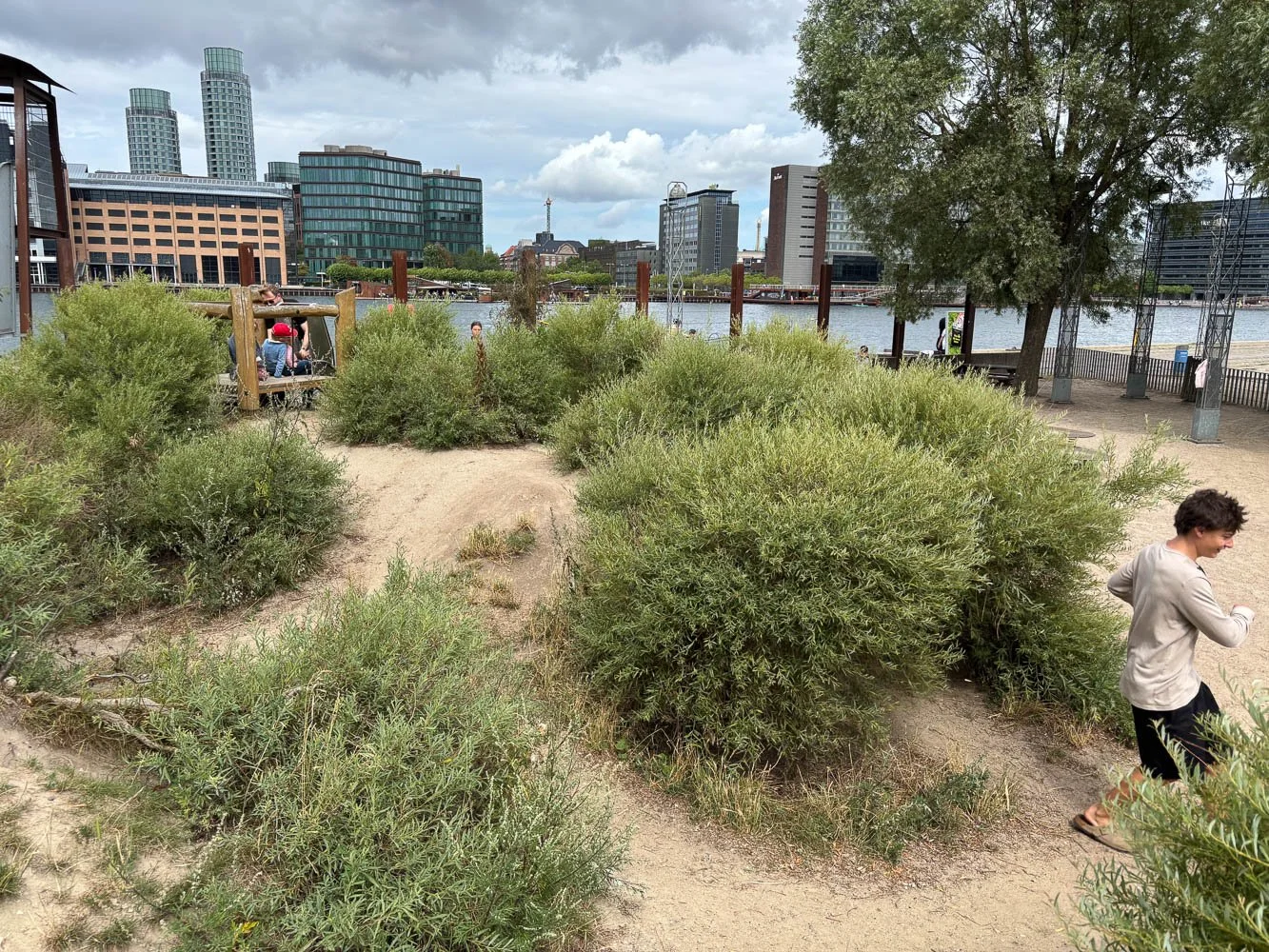
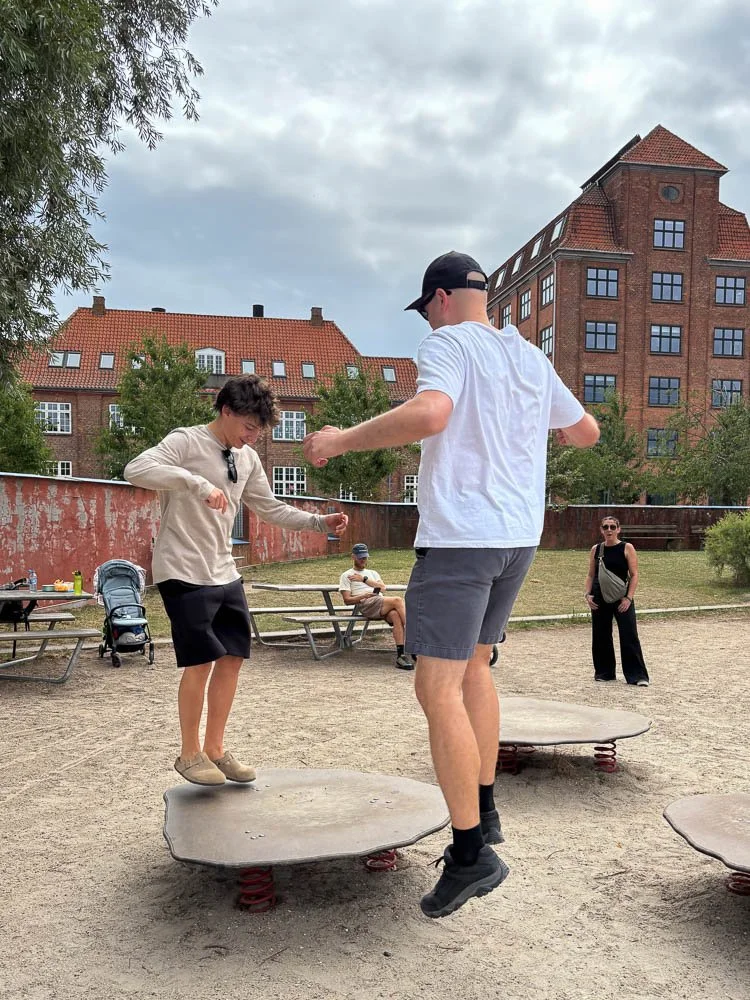
I love how they made much out of so little: even my 16-year old joyfully ran up and down this pocket park’s sandy hill and jumped on a tilty bouncy thing just for fun.
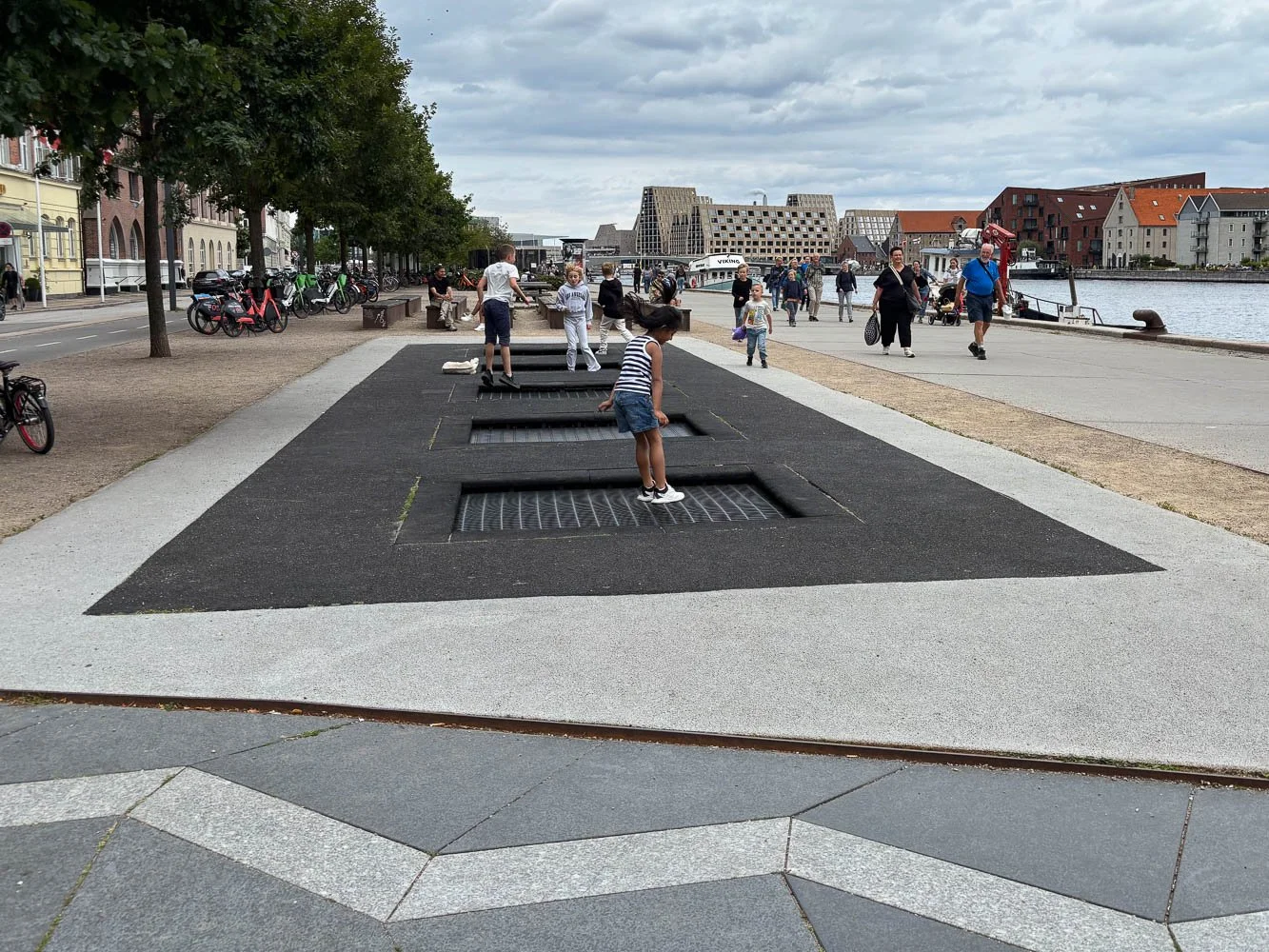
We would have jumped on these sidewalk trampolines too, but they were filled with kids!
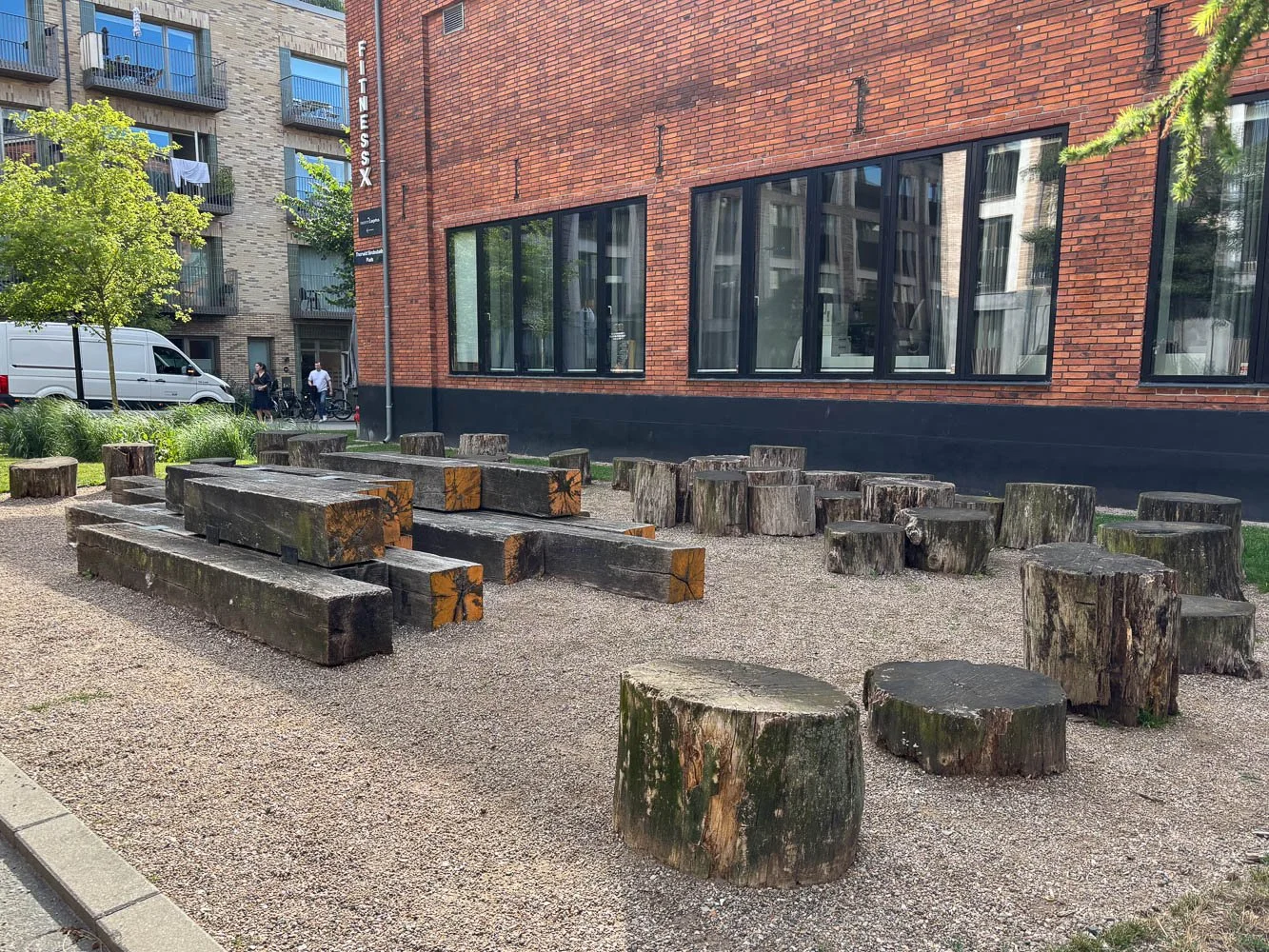
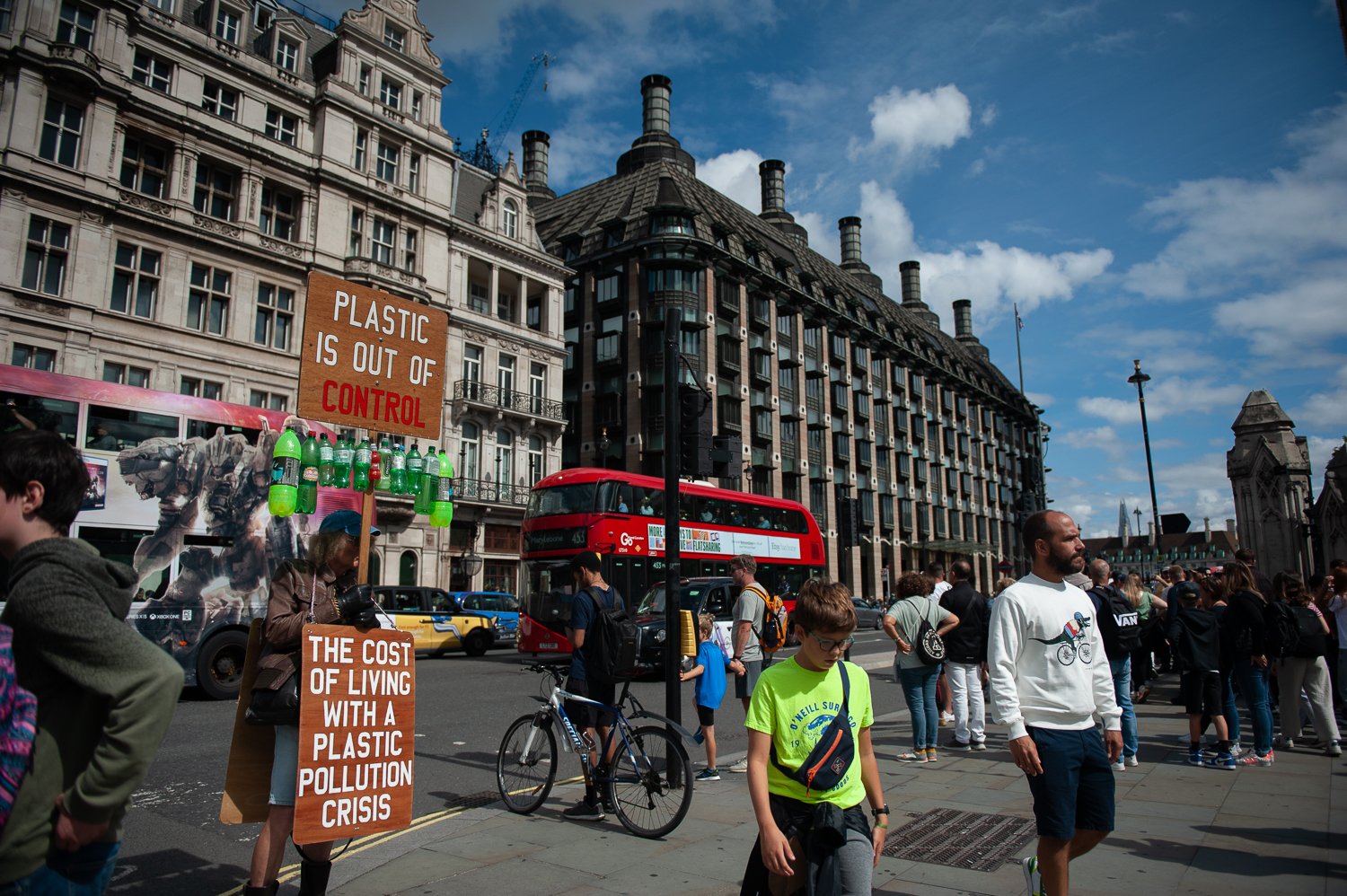
And note the lack of plastic play equipment. I don’t think I saw a single piece the entire time we were there.
We may not have the environmental bent that clearly pervades Danish society, but we can follow their example in simple ways. Why not replace synthetic equipment with natural features that invite playful creativity and never have to die in a landfill? How about re-imagining our public spaces to include options for people of all types and ages? This is totally possible.